
Light Veil
Three generations. One piece of land. A house that learns from two cultures and a sky that never stops changing.
Some projects begin with a site. This one began with a family. Generations rooted in Yilan — the flat, humid plain on Taiwan's northeast coast where rice paddies stretch to the mountains and the air smells of wet earth for half the year. The family's business had done well, and after years of planning, they finally secured a plot of land to build the home they'd always talked about.
When they came to us, the brief was layered with feeling. A home for parents and children and the generation after that. A place to cook together, to sit in the rain without getting wet, to watch the seasons turn the paddies from green to gold to mirror. And — quietly, firmly — a house that would carry the Japanese aesthetic they'd always admired, planted in Taiwanese soil.
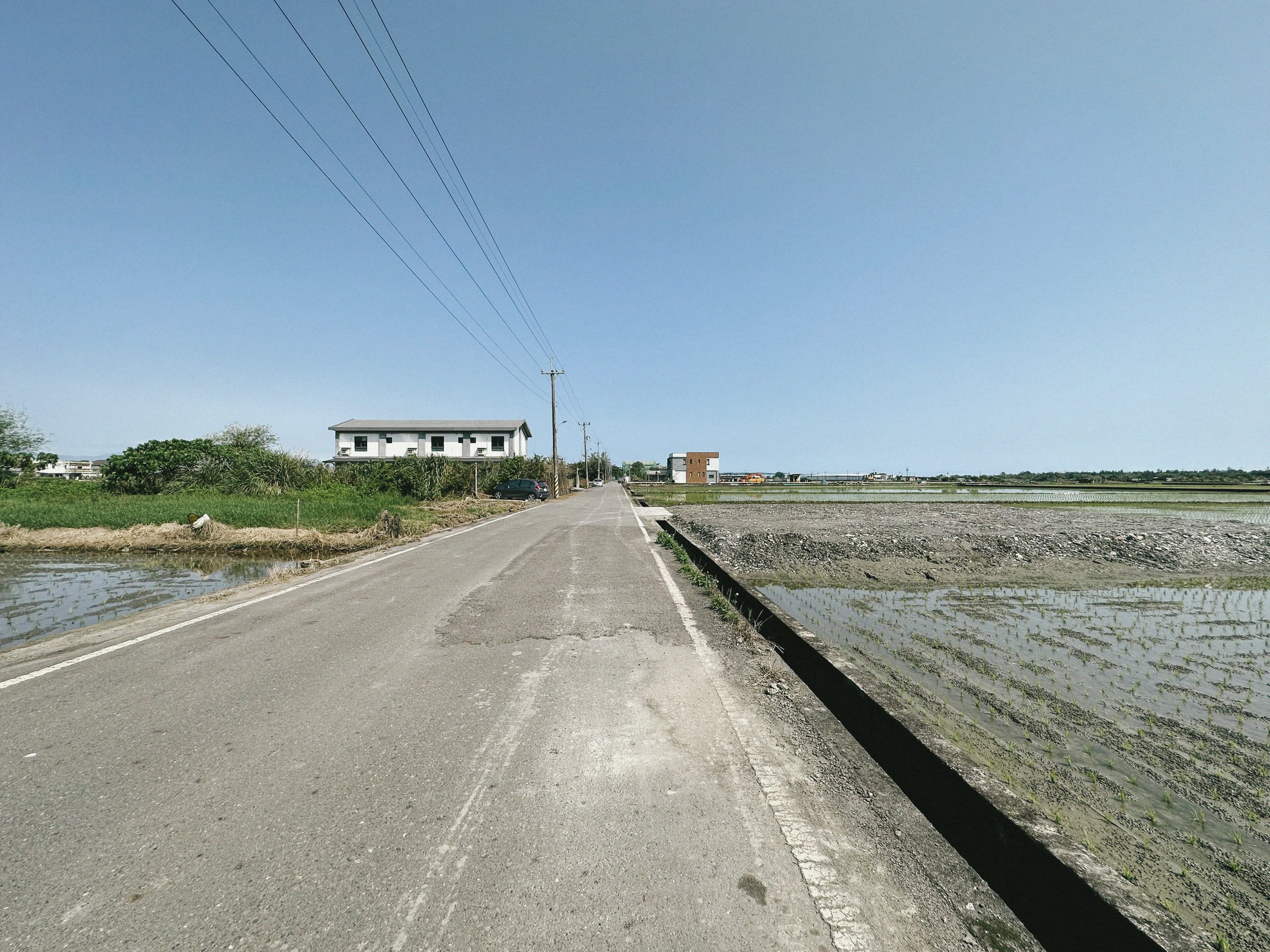
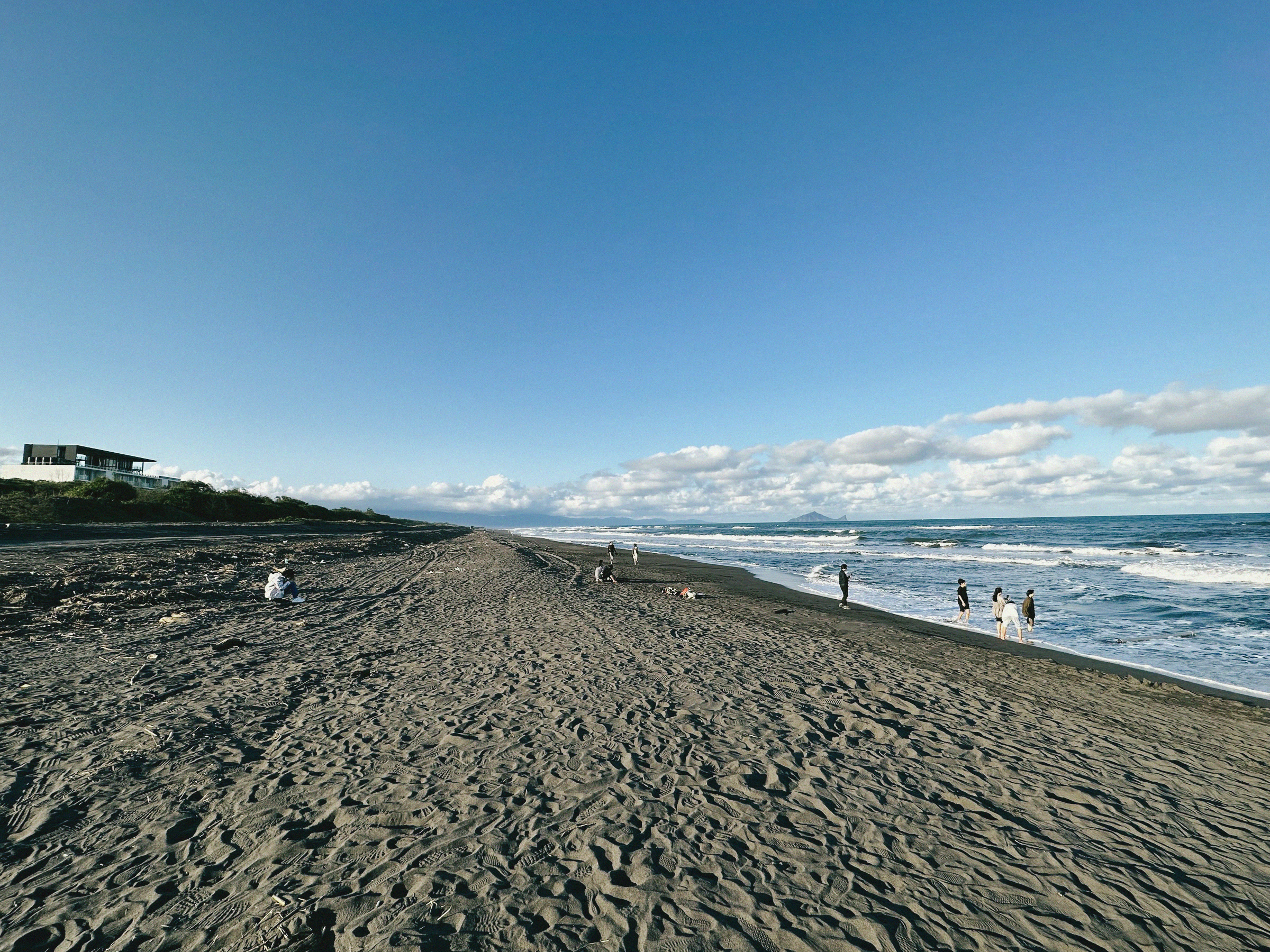
The site in Yilan. Rice paddies on both sides, mountains in the distance. The land sets the tone.
Yilan is not Taipei. There are no skyscrapers here, no density to push against. The landscape is horizontal — water, earth, sky stacked in clean bands. Any building on this plain has to earn its height. So we kept ours low, and let the roofline do the talking.
01 — The Light Well
The project is named Light Veil. At its centre is a double-height opening — a light well that pulls sky into the core of the home. This is the family's gathering space: the room where meals happen, where voices carry upward, where children will chase each other around a table while grandparents watch from the mezzanine above.
The light well isn't just functional. It's symbolic. In a house built for multiple generations, the centre must hold. It must be the place everyone returns to. We wrapped it in slender timber slats that filter the light as it falls — softening the midday glare, catching the warm glow of late afternoon, creating a rhythm of shadow and grain that shifts through the day. A veil of light. Hence the name.
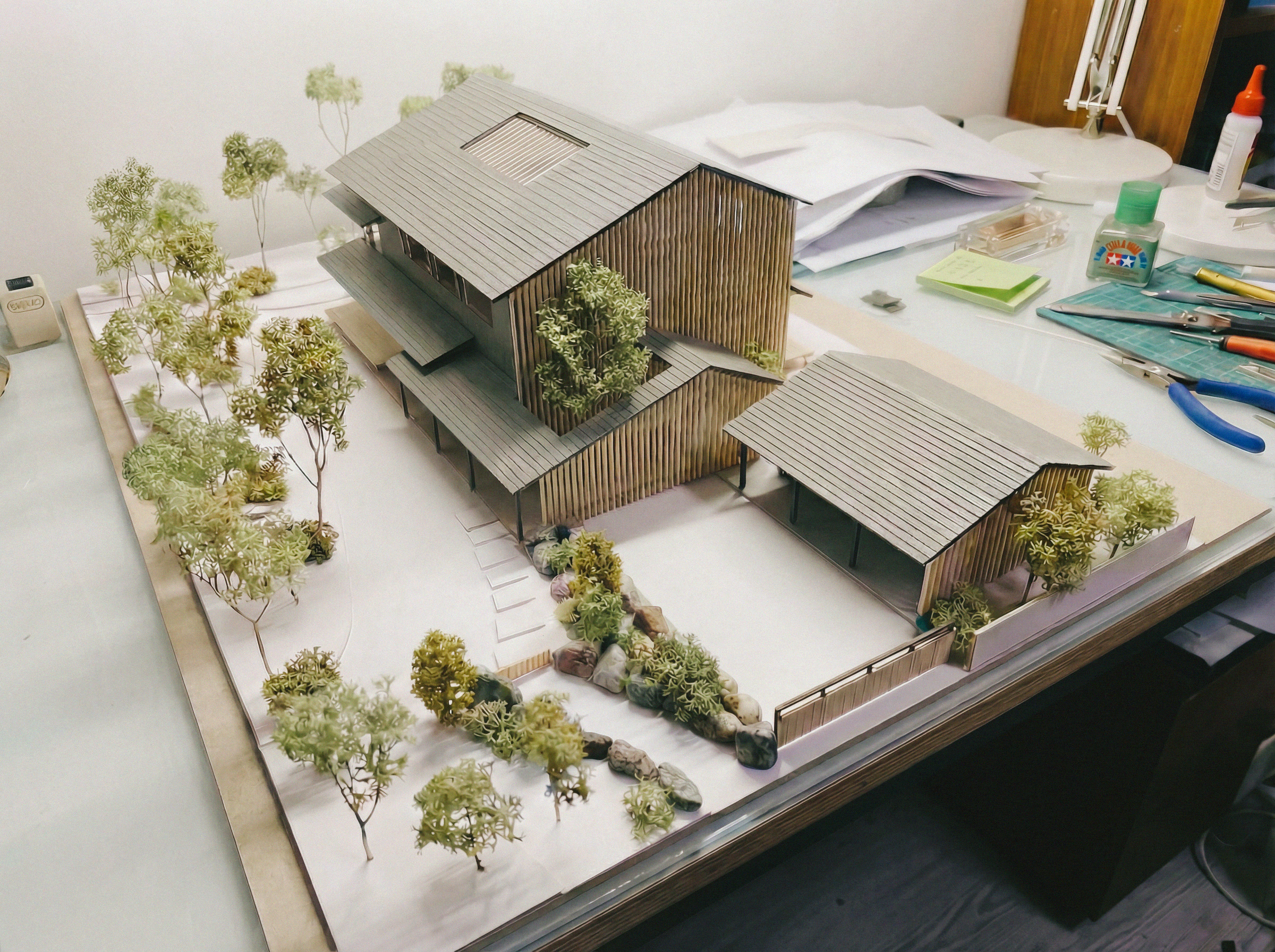
The study model. Two volumes — main house and carport — connected by landscape. The stepping roofs echo Yilan's mountain silhouette.
02 — Two Cultures, One Roof
The family's love for Japanese culture gave us permission to do something we find endlessly interesting: design across traditions. The plan includes a genkan — a formal entry sequence where you leave the outside world at the threshold. An engawa wraps the living spaces — that quintessential Japanese veranda, neither inside nor out, where you sit with your legs in the breeze and your back to the cool interior.
In Yilan, the engawa makes perfect sense. The climate is subtropical — warm, humid, with sudden rain that comes and goes. The semi-outdoor life isn't aspirational here; it's how people already live. We just gave it a frame.
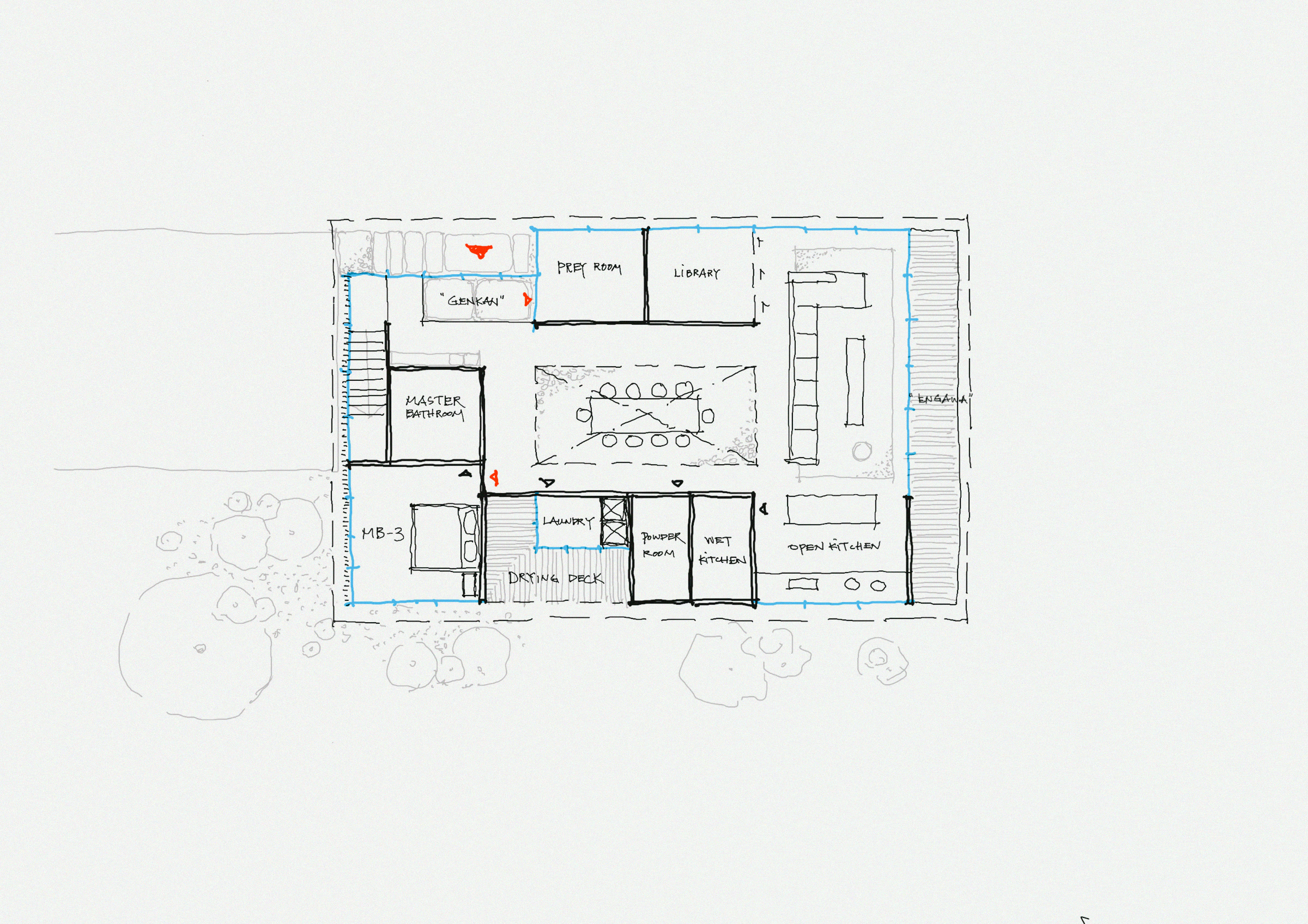
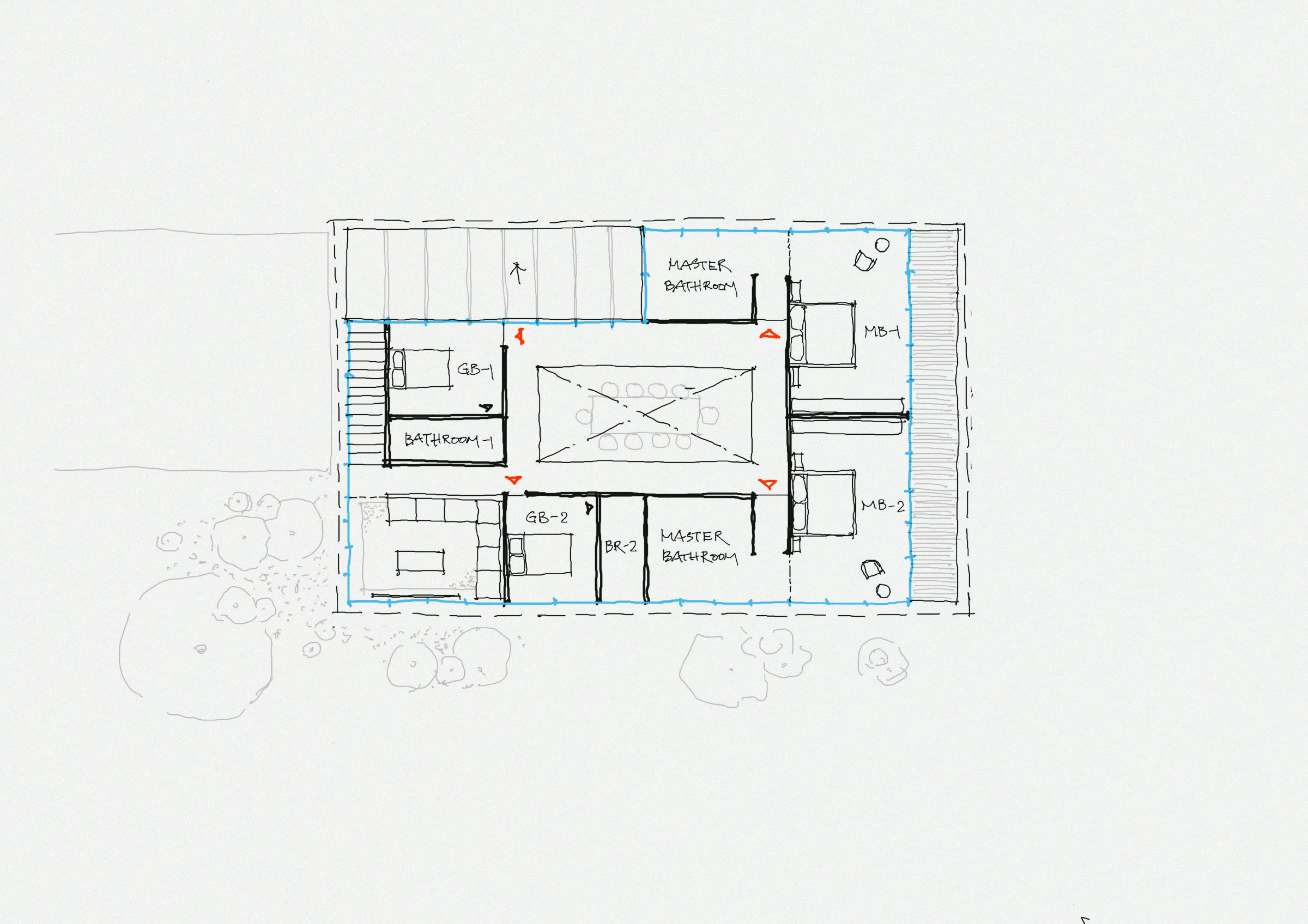
Hand-drawn plans. Genkan, engawa, open kitchen, library — Japanese spatial ideas adapted for a Taiwanese family's daily life.
But this is not a Japanese house transplanted. The scale is Taiwanese — generous, social, built for a big family that cooks together. The wet kitchen and open kitchen are separate, a local practice that honours serious cooking without letting the oil reach the living room. Three bedrooms accommodate the extended family. A library doubles as a quiet retreat. Every room connects back to the central light well.
03 — Stepping Roofs
From the street, Light Veil presents itself as a sequence of overlapping roofs — slopes that step and shift like the mountain ridgeline visible beyond the paddies. The geometry isn't random, but it isn't rigid either. Each roof plane responds to the room beneath it: higher where the light well needs sky, lower where the bedrooms want shelter, cantilevered where the engawa reaches outward.
The effect is of a building that breathes. The roofline has rhythm — an order that feels organic, like the mountains taught it. Dual-pitched slopes shed Yilan's heavy rain while creating varied ceiling heights inside. Stand in the living room and the space lifts above you. Step into the bedroom corridor and it compresses, intimate, grounded.
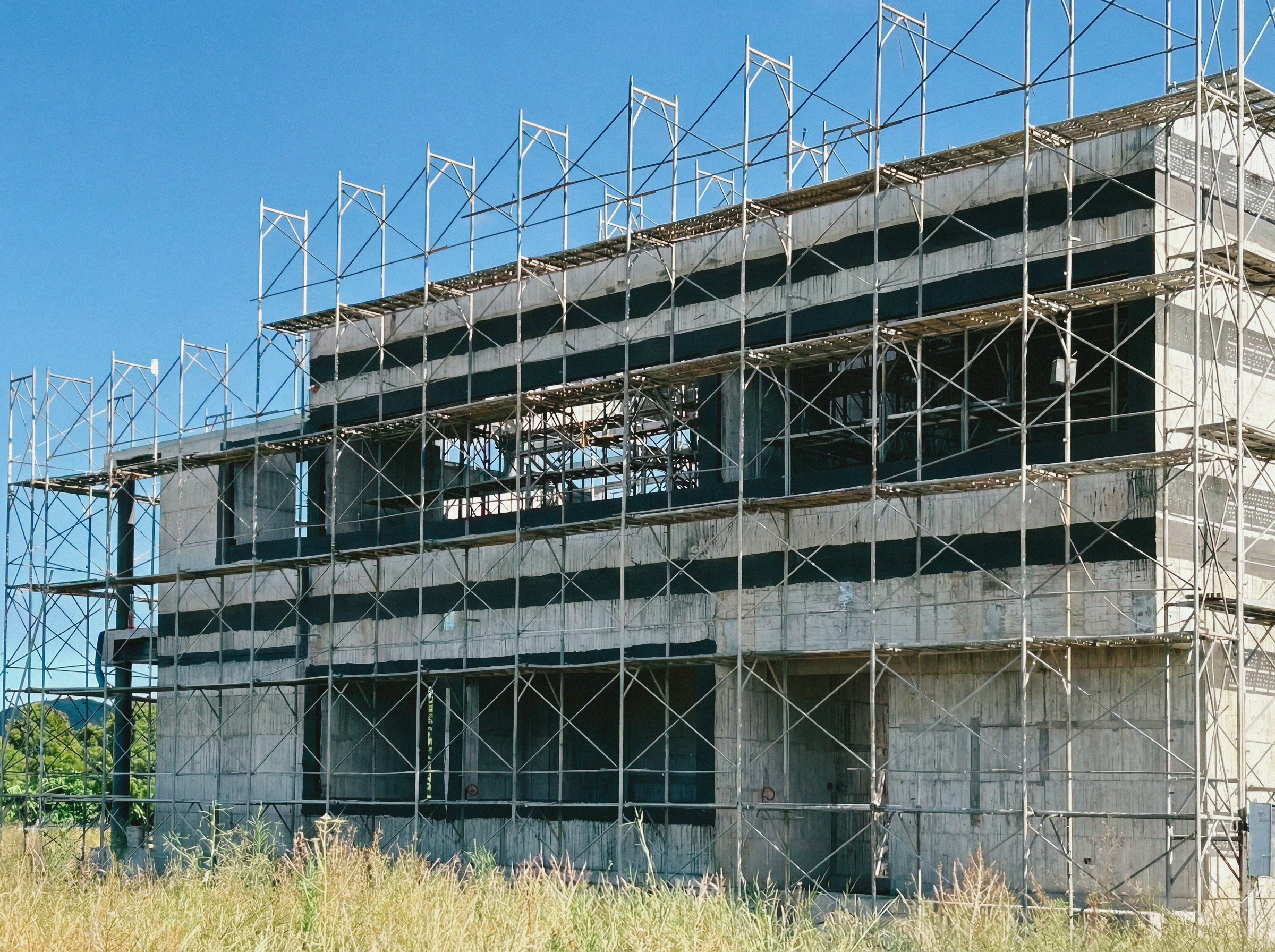
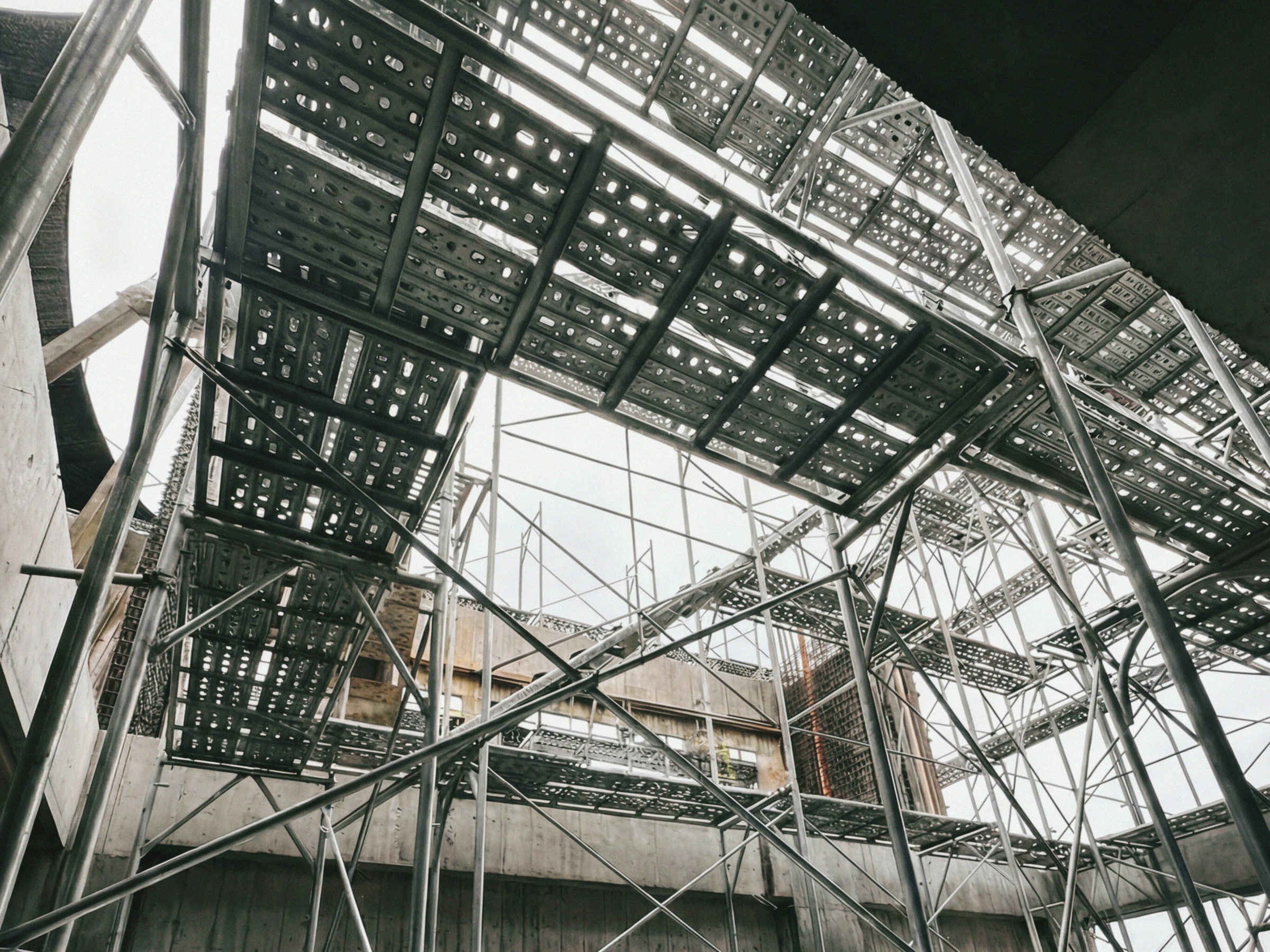
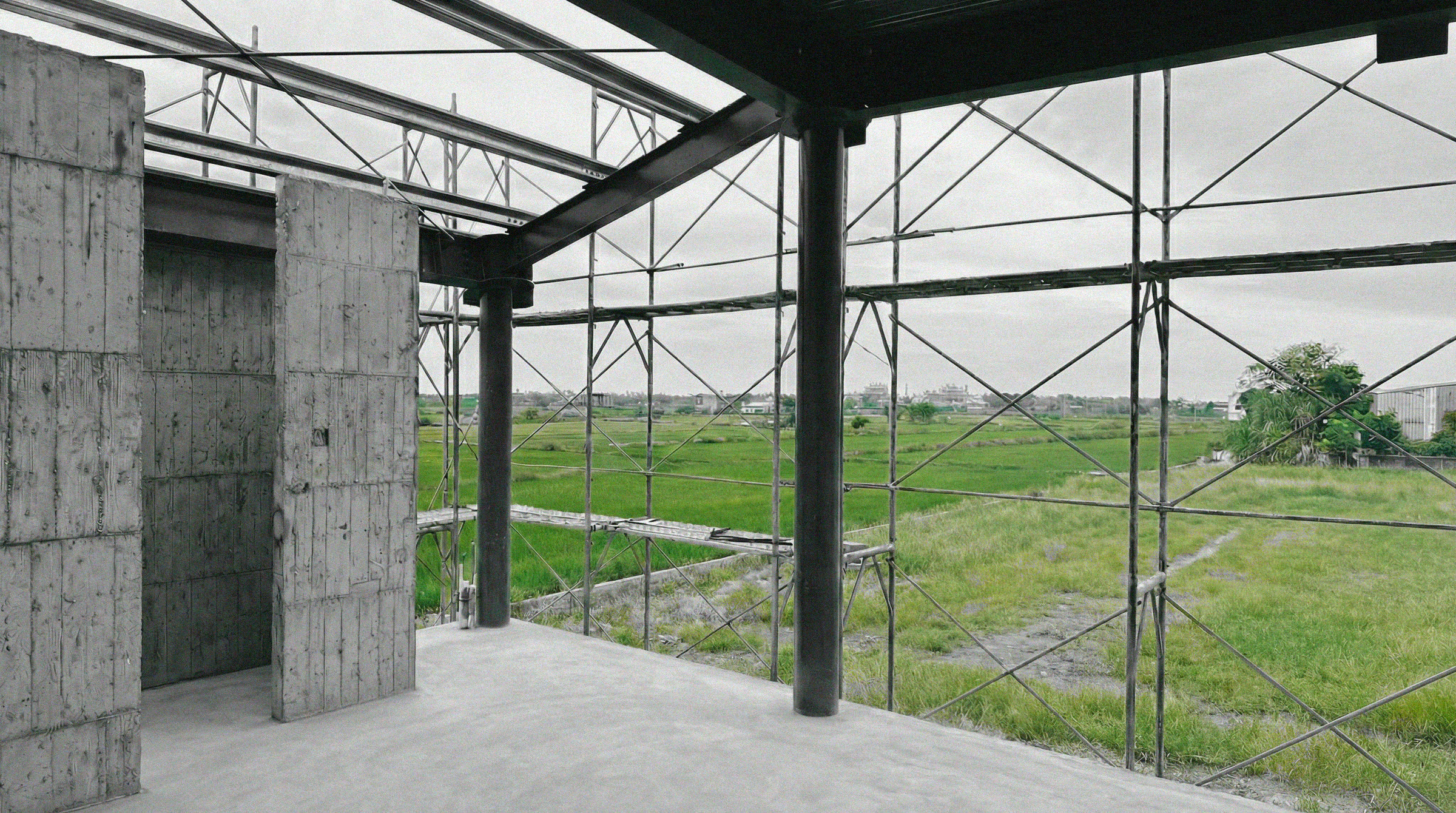
Structure rising. Concrete cores anchor the private spaces; steel frames open up the living areas to the landscape.
The structure is hybrid — reinforced concrete where mass and privacy are needed, steel where the main living spaces demand openness. The steel columns in the living area are slender enough to disappear behind the timber cladding, letting the roof appear to float. From inside, the rice fields pour in uninterrupted.
04 — Material Honesty
Yilan's humidity is relentless. It defines every material decision. You cannot bring a Tokyo specification sheet to this climate and expect it to hold. So we sourced almost everything locally — Taiwanese timber, local stone, concrete mixed on site — and selected each finish for how it would age in moisture, not how it looks in a showroom.
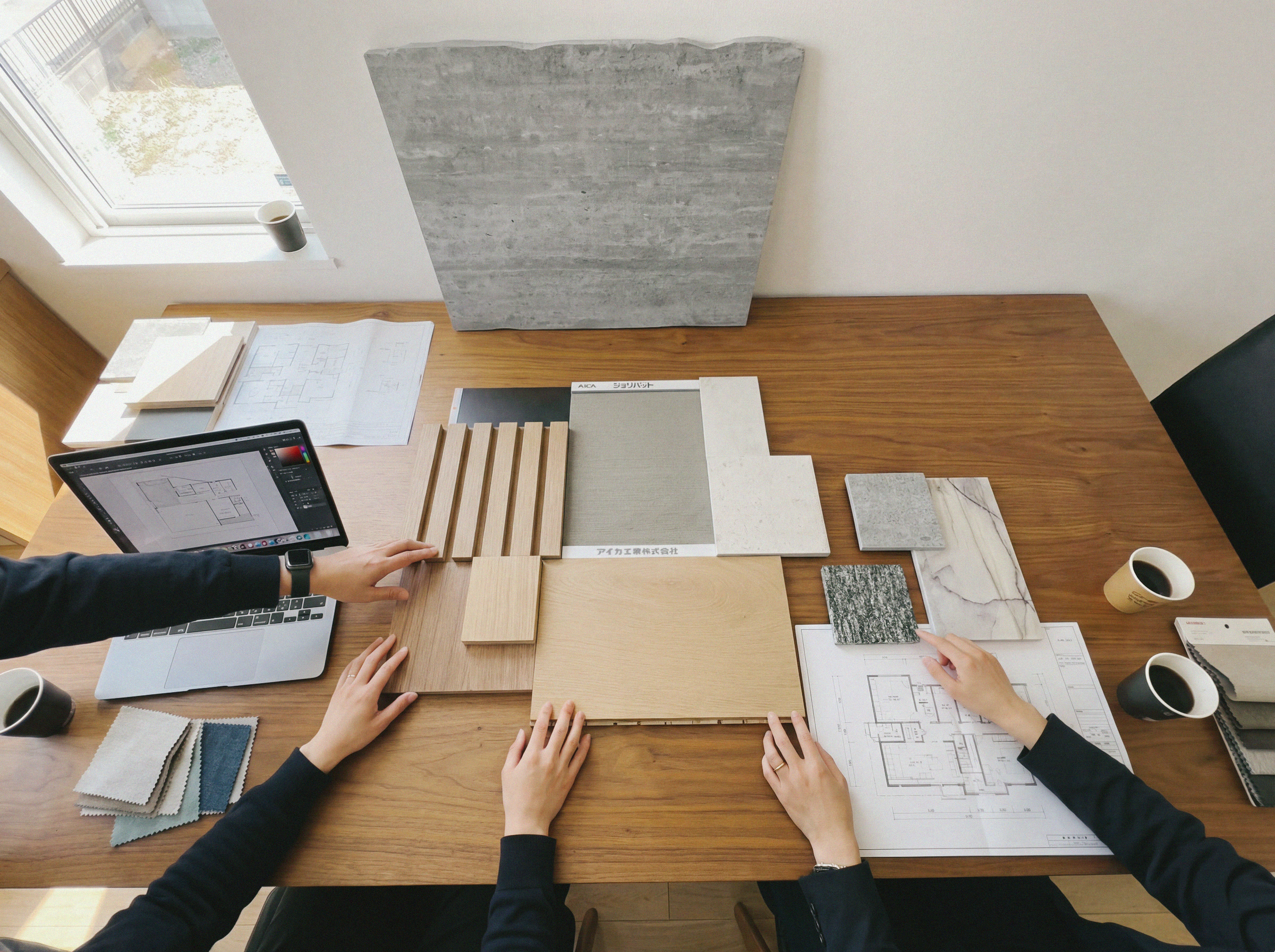
Material meeting in studio. Oak slats, textured plaster, limestone, marble, granite — every sample tested against Yilan's climate.
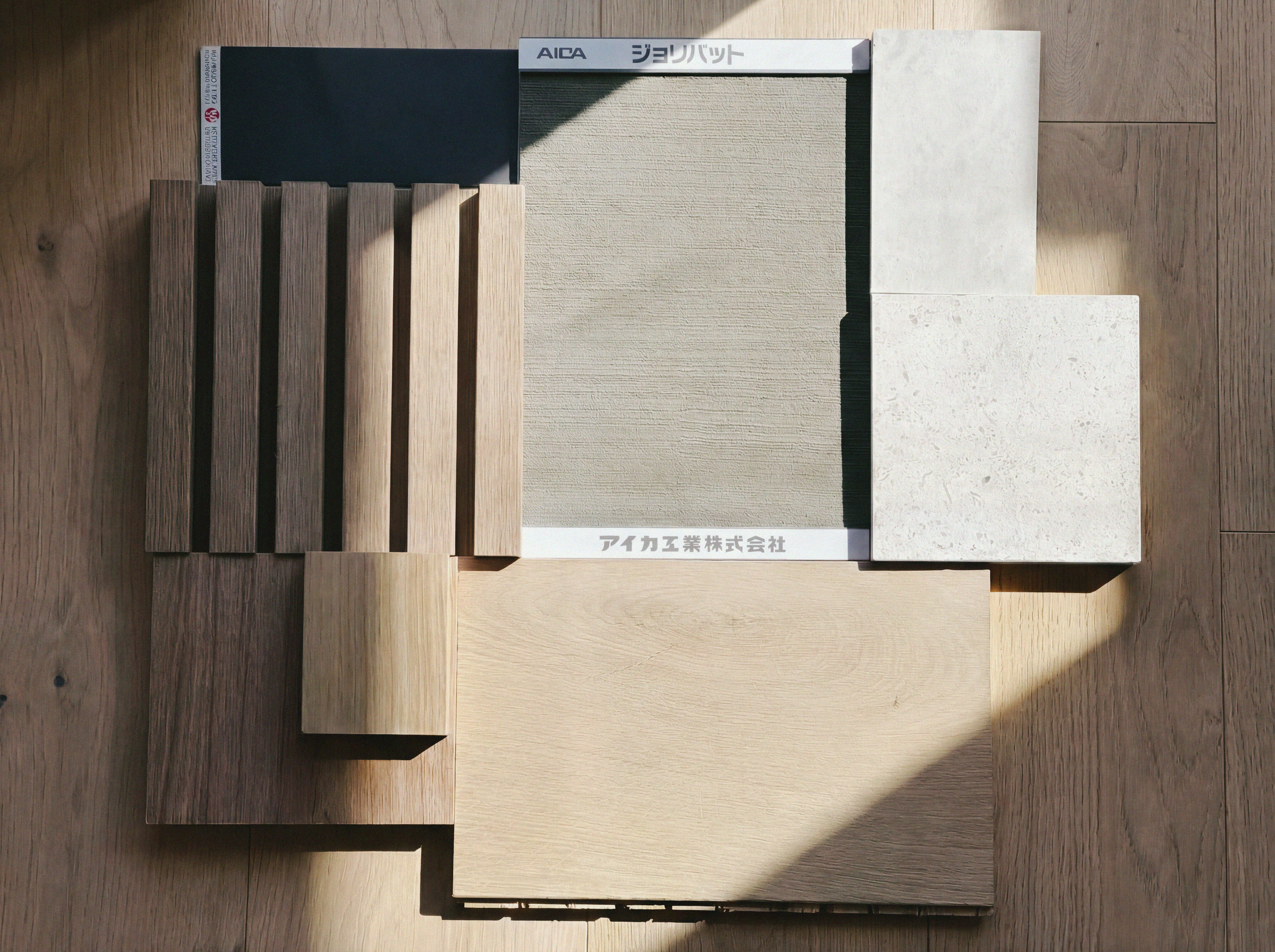
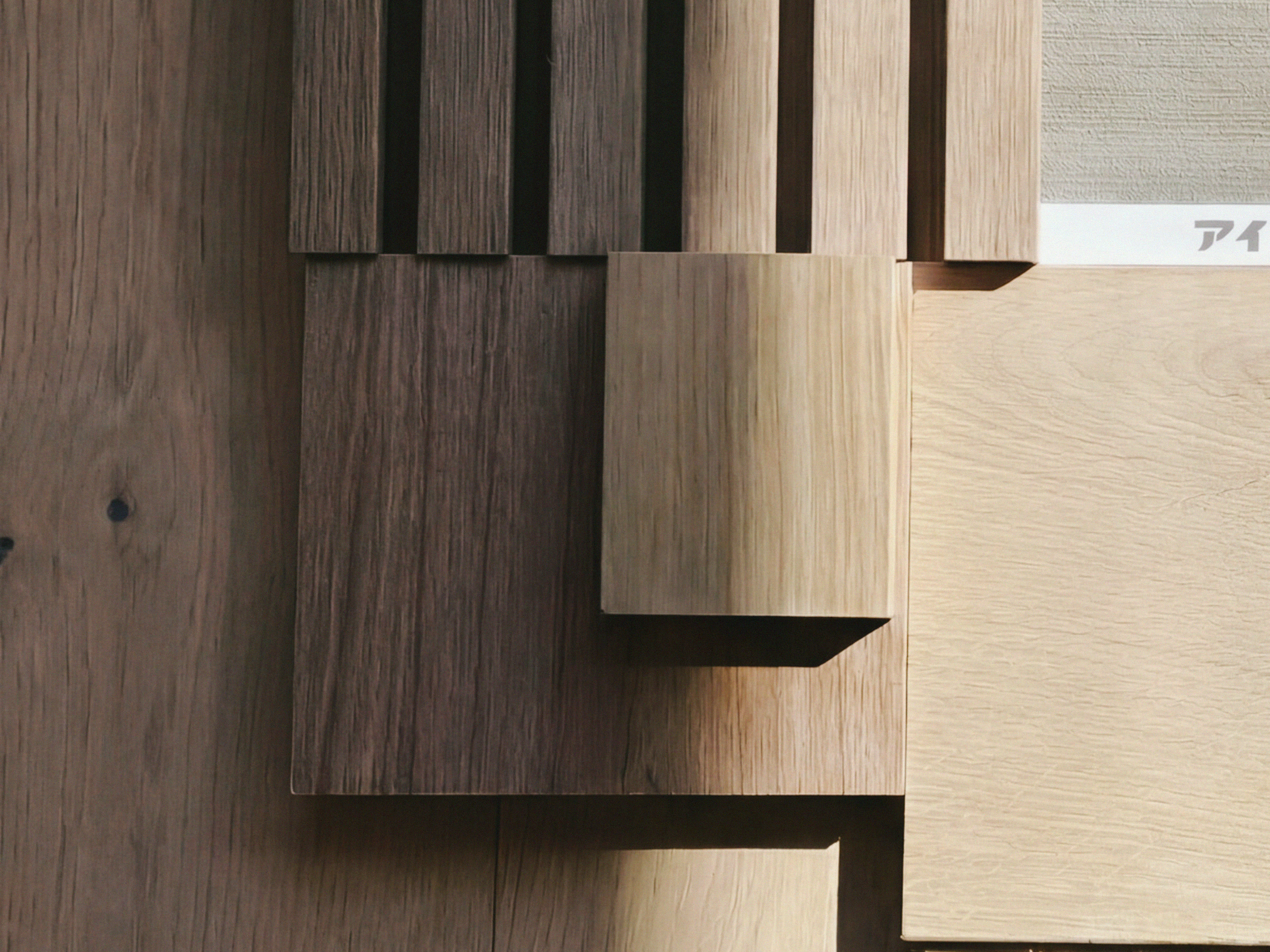
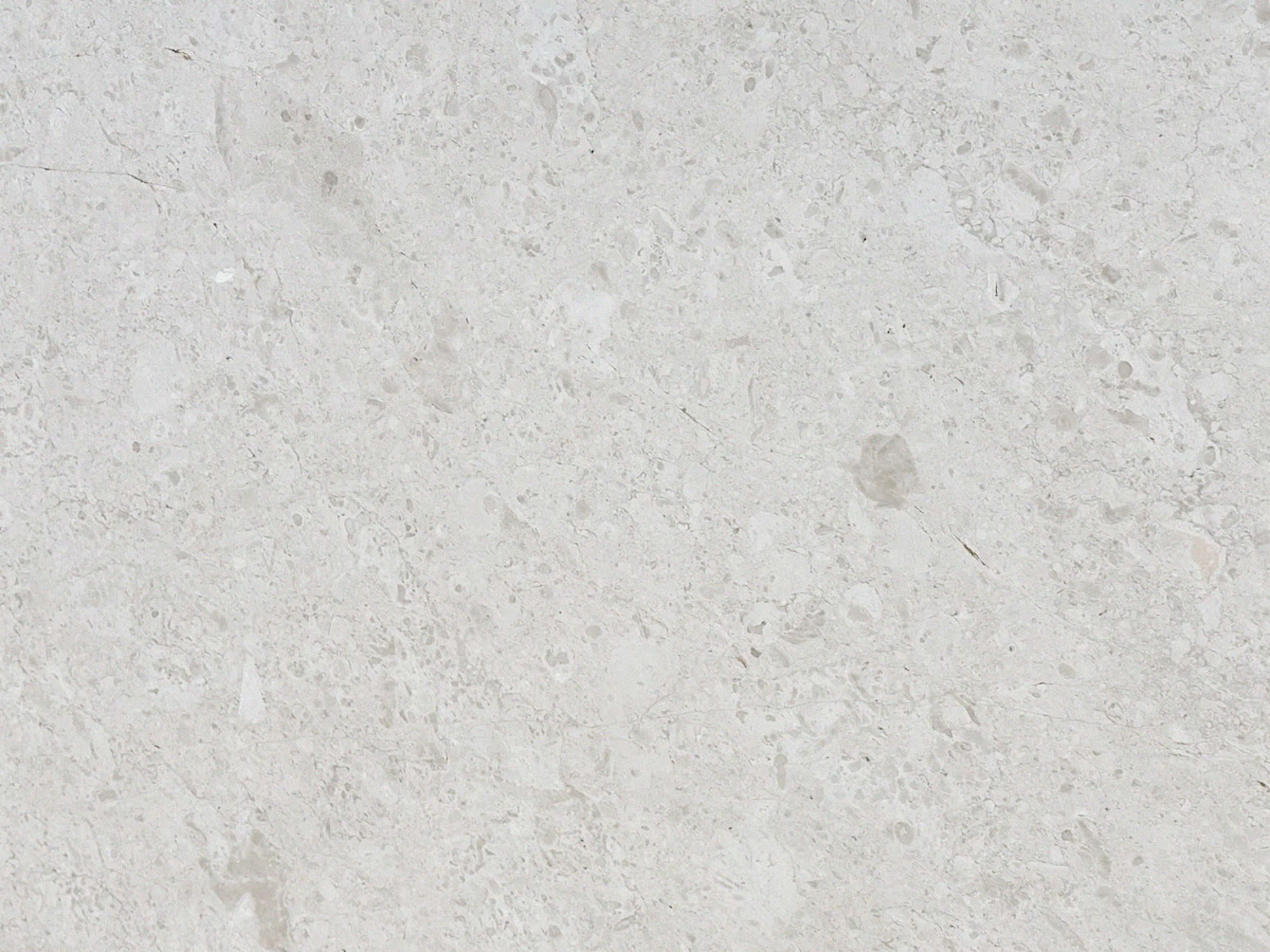
The palette. Oak slats, AICA Jolypate textured plaster (the one Japanese import), limestone, and local stone. Materials chosen for how they age, not how they photograph.
The one exception is the exterior plaster — Jolypate, from the Japanese manufacturer AICA. Its texture has a softness that no local equivalent could match, and its performance in humid conditions is proven across decades of Japanese coastal architecture. Everything else comes from Taiwan. The Japanese essence lives in the spatial thinking, not in the supply chain.
05 — The Serious Man
There is a moment in every project where you learn something about your client that changes how you work. For us, it came during the concept presentation.
The patriarch sat through the entire presentation without expression. No nod. No smile. No reaction at all. We left the meeting unsure. Had we misjudged the family's taste? Was the Japanese influence too strong, or not strong enough? We prepared for a difficult revision.
Then the call came. The whole family loved it. Every detail, every move. The genkan, the engawa, the light well — all of it. The patriarch had been thrilled from the first slide.
That was simply his face.
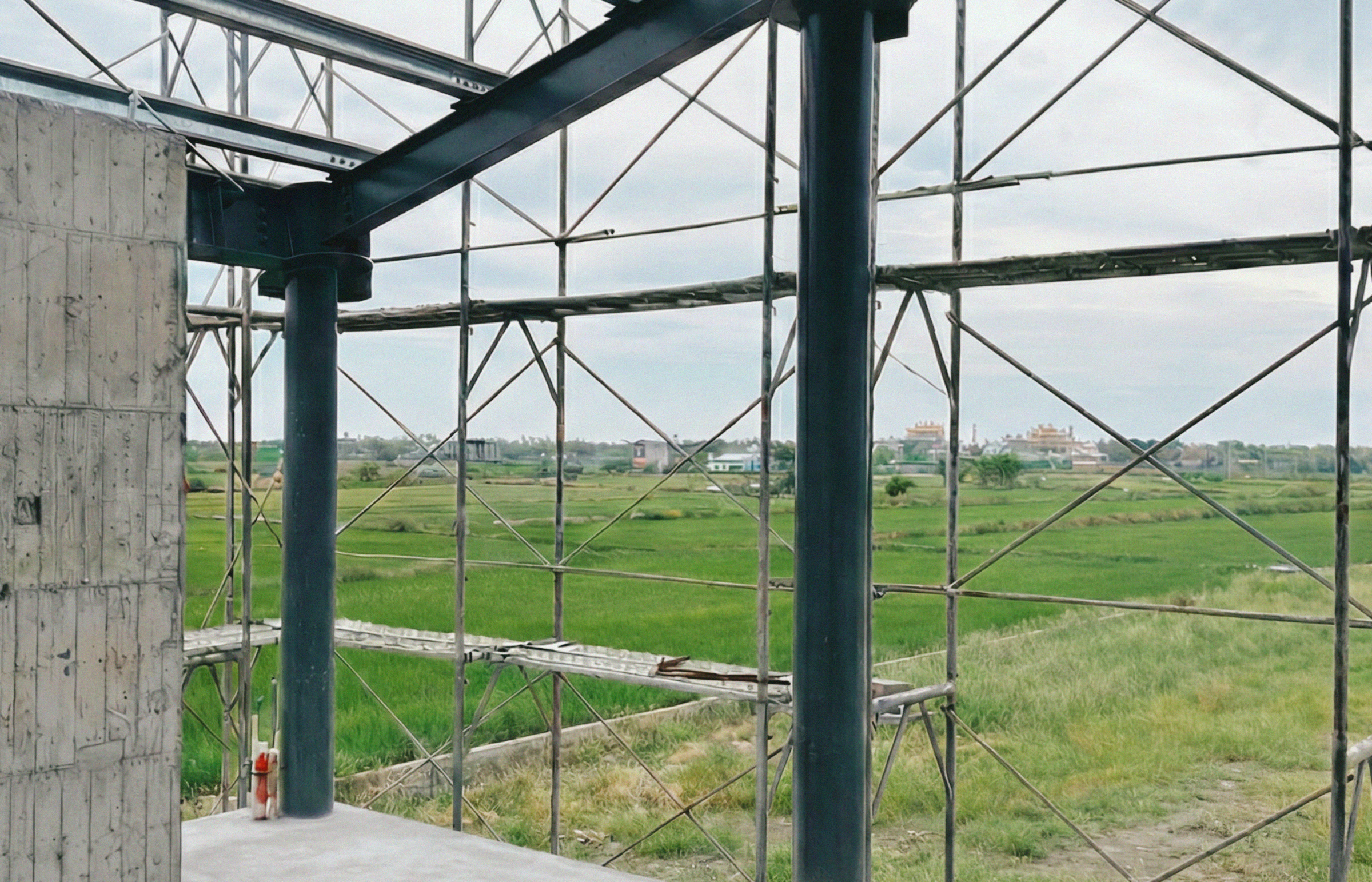
Through the scaffolding, the view that started everything. Green rice fields stretching to the horizon.
From that point, it became a quiet challenge between us and the patriarch. Could we make him smile during a presentation? A raised corner of the mouth during the material review. A brief nod when the model arrived. Small victories. The house may be for three generations, but winning over the first one — expression by hard-won expression — became the project's secret subplot.
06 — What Comes Next
The structure is complete. The concrete has cured. The steel frames stand against the Yilan sky like a drawing of the house that's coming. Now begins the slow, careful work of interior finishes — the timber cladding, the plaster, the stone floors, the details that turn structure into home.
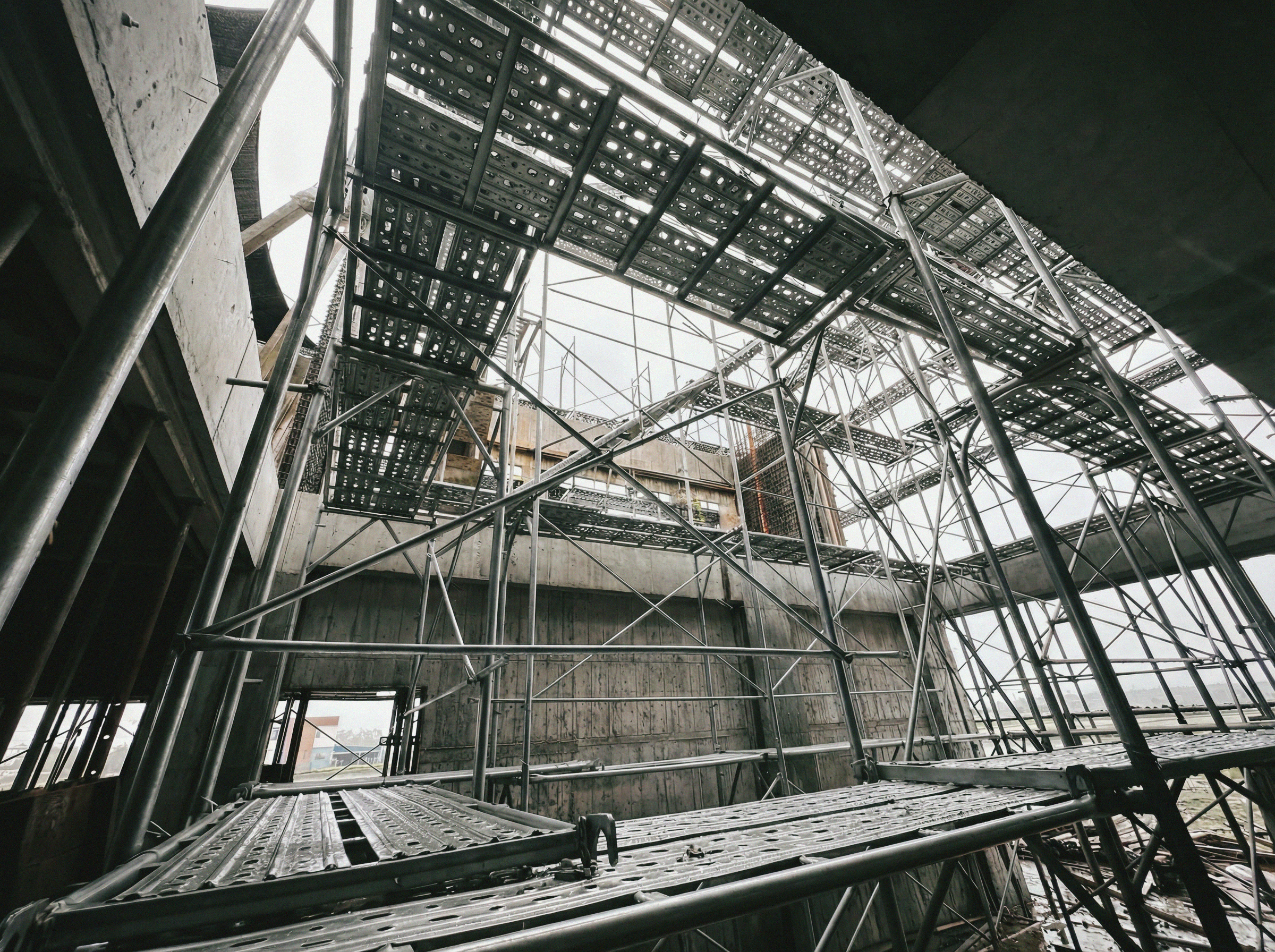
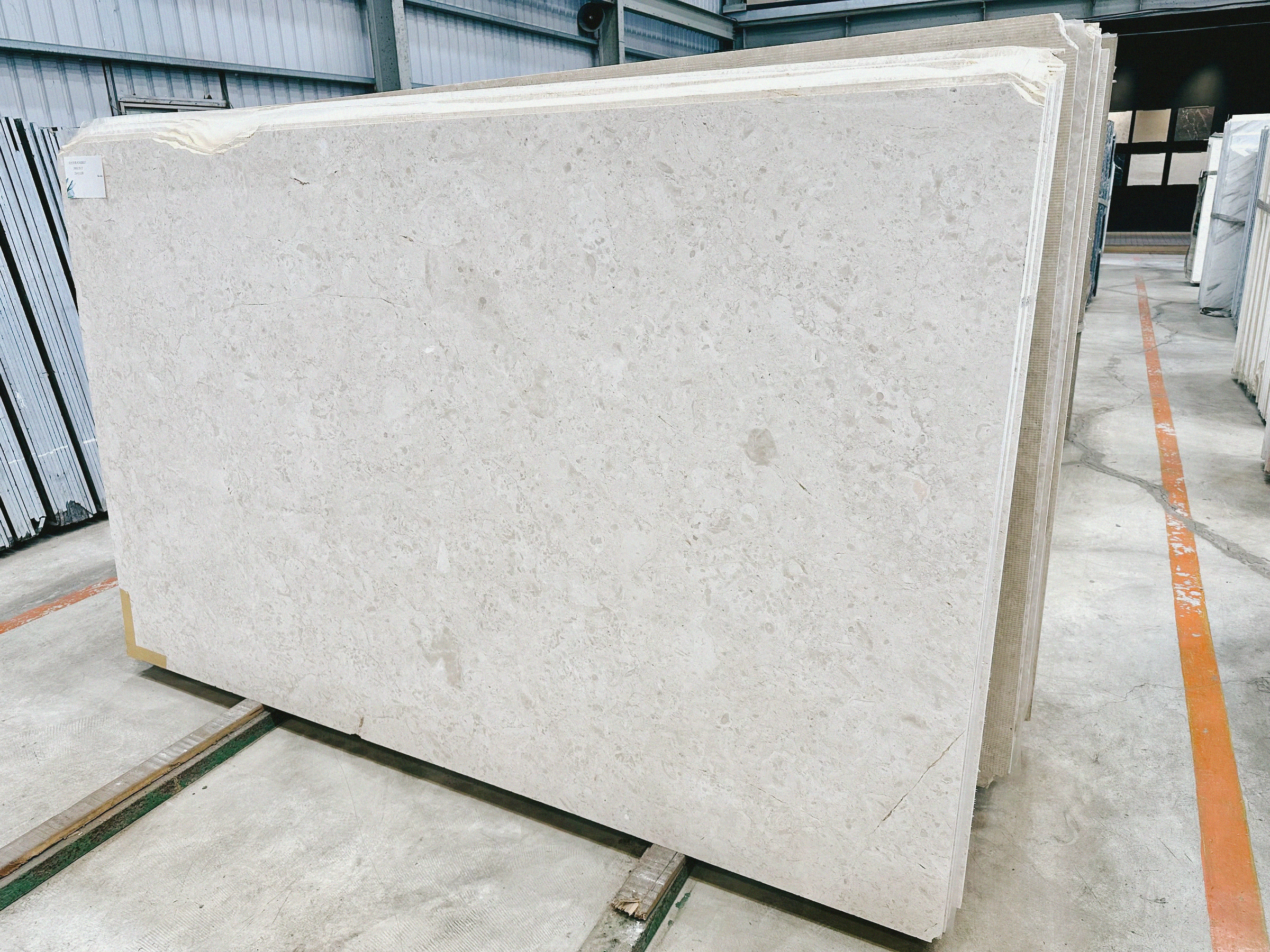
Structure complete. The interior work begins — layering material over concrete, warmth over strength.
We'll return to Yilan as the finishes go in. There will be moments of adjustment — material meeting light for the first time, a colour that reads differently against green paddies than it did in the studio. That's the process. Architecture is a conversation between intention and reality, and the reality in Yilan is vivid, humid, and alive.
When the family finally moves in — when the kitchen fills with steam, when someone sits on the engawa for the first time and watches the rain cross the fields — the house will stop being ours. It will become theirs. Which is the only measure of success that matters.
And if we're lucky, the patriarch might smile.
Kuukan · Architecture
START A CONVERSATION →