
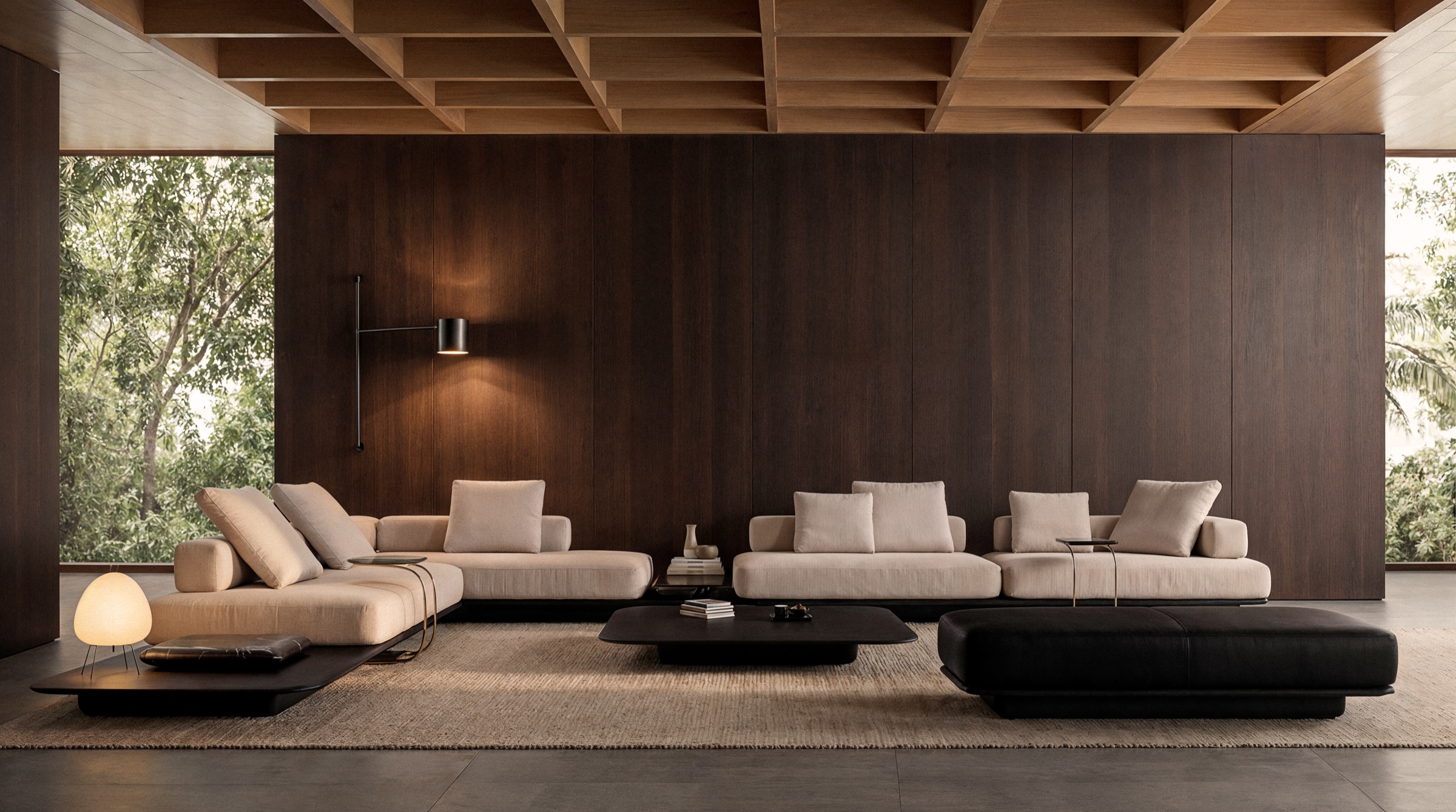
The 200-Iteration Curve.
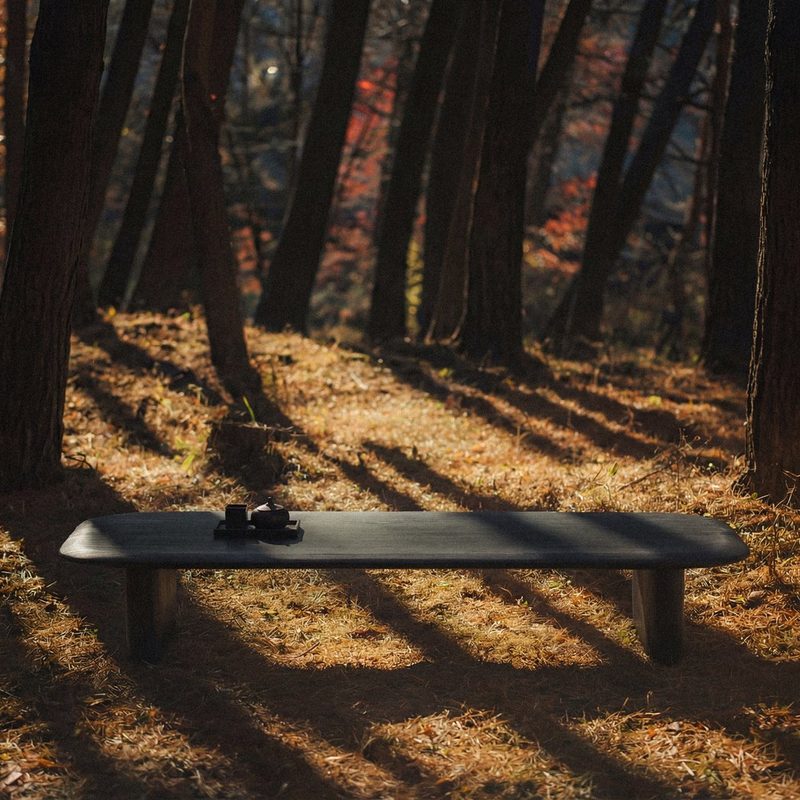
Most furniture rewards the eye. ENWA rewards the hand.
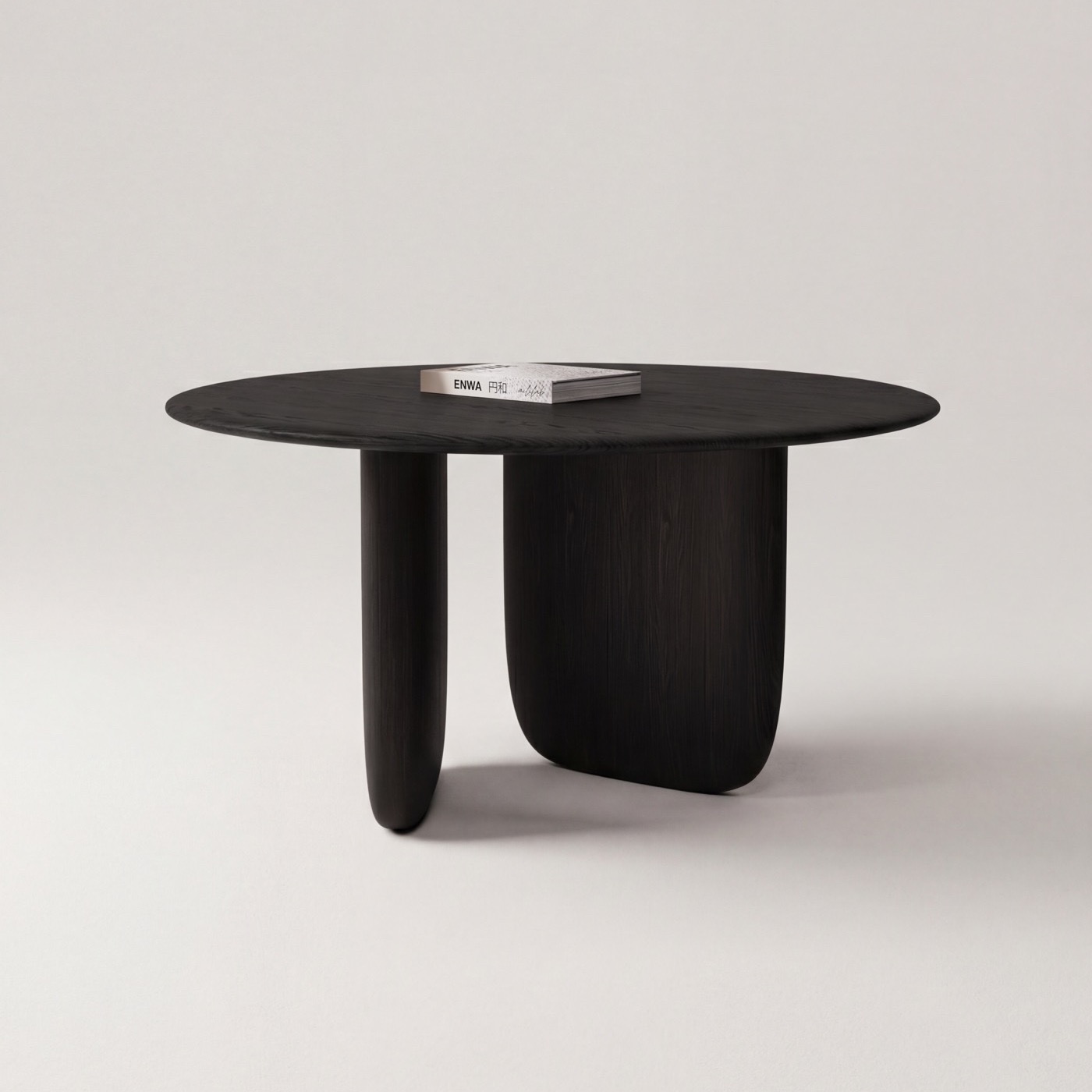
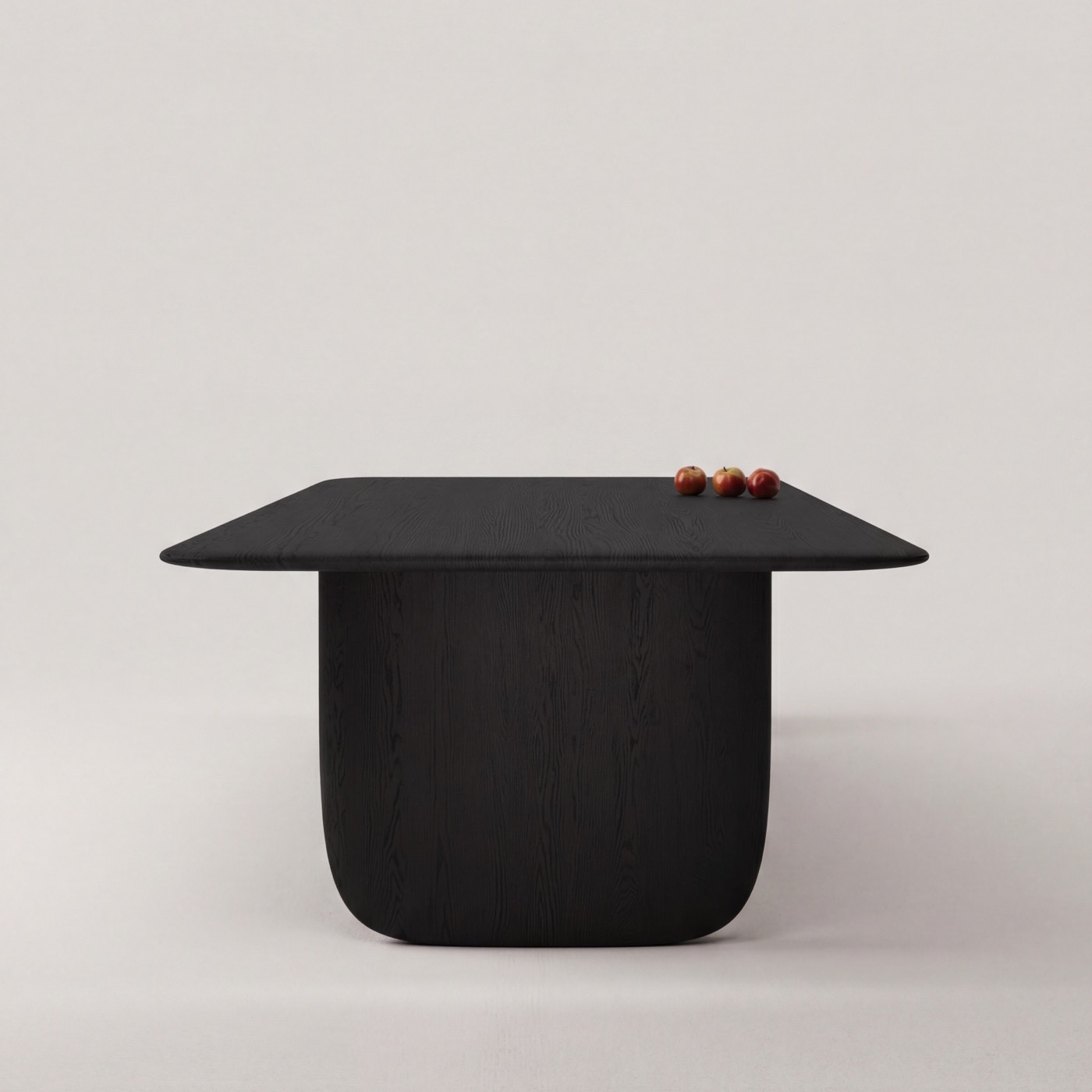
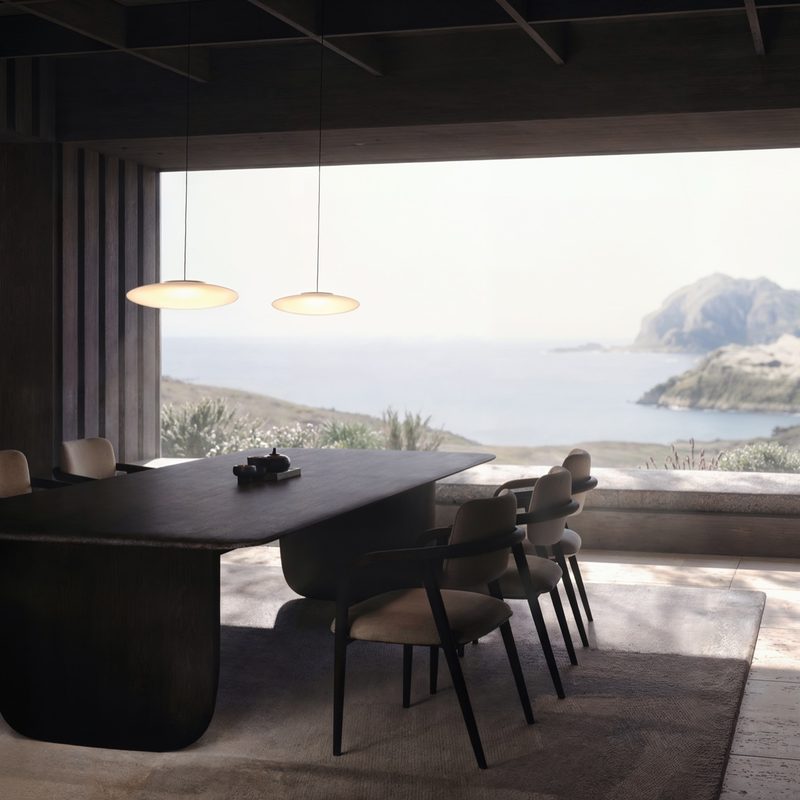
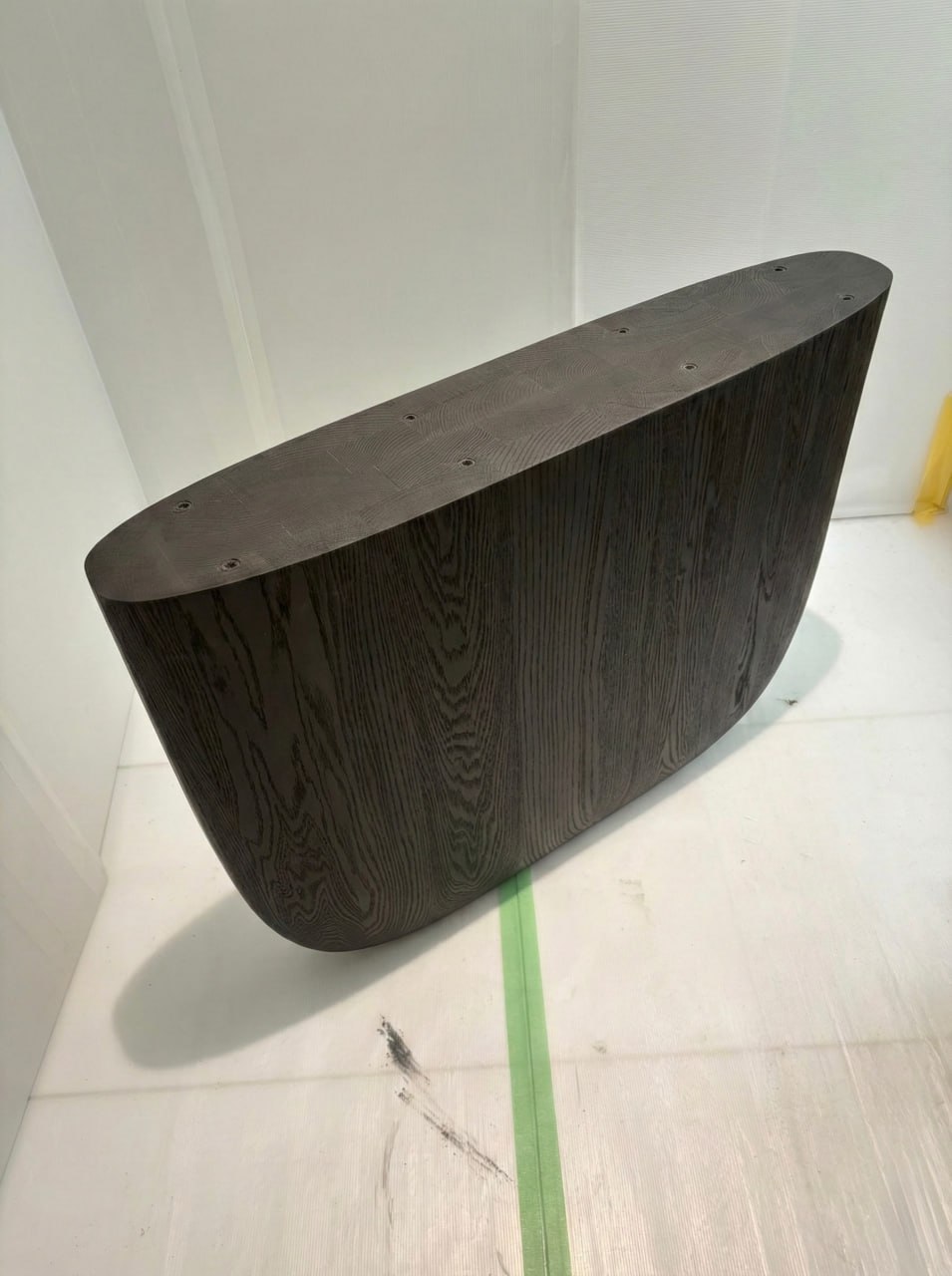
Visually crisp from across the room. Surprisingly soft under your palm. We tested over 200 variations of a single edge — the one where sharpness and softness coexist without compromise.
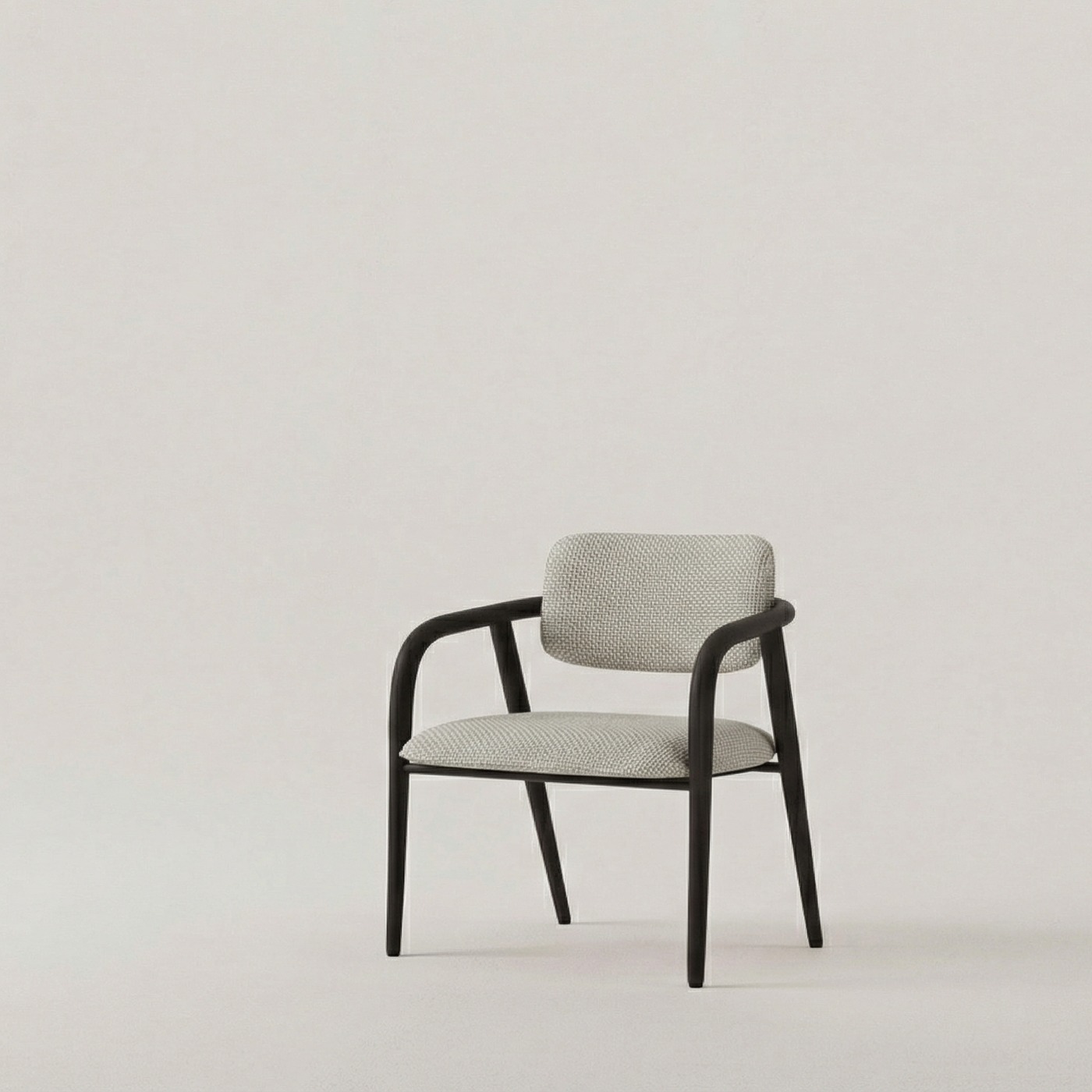
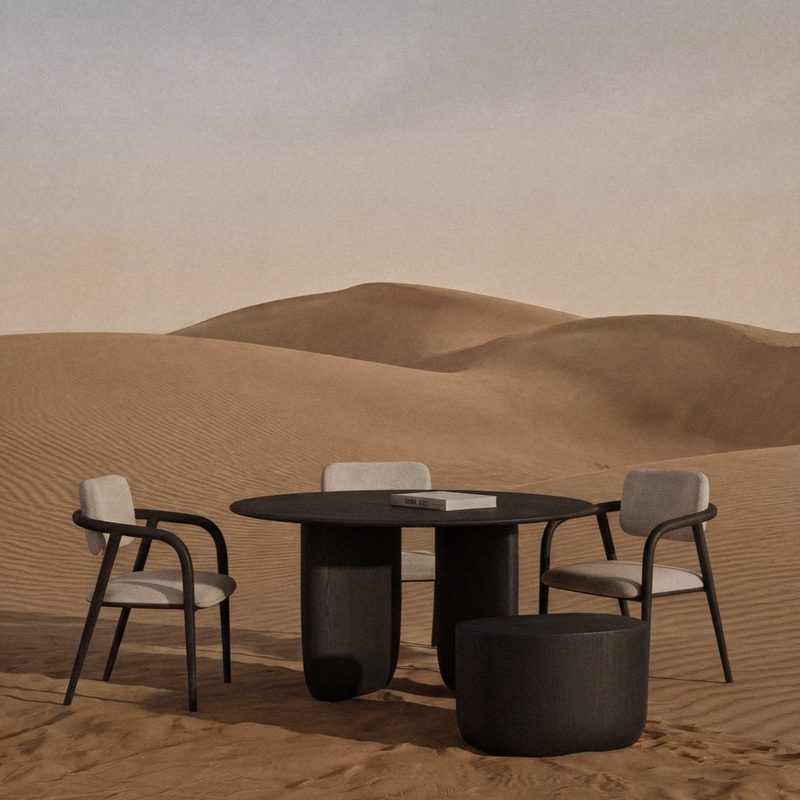
This curve runs through every piece. It's why the whole collection feels like one thought expressed eight ways.
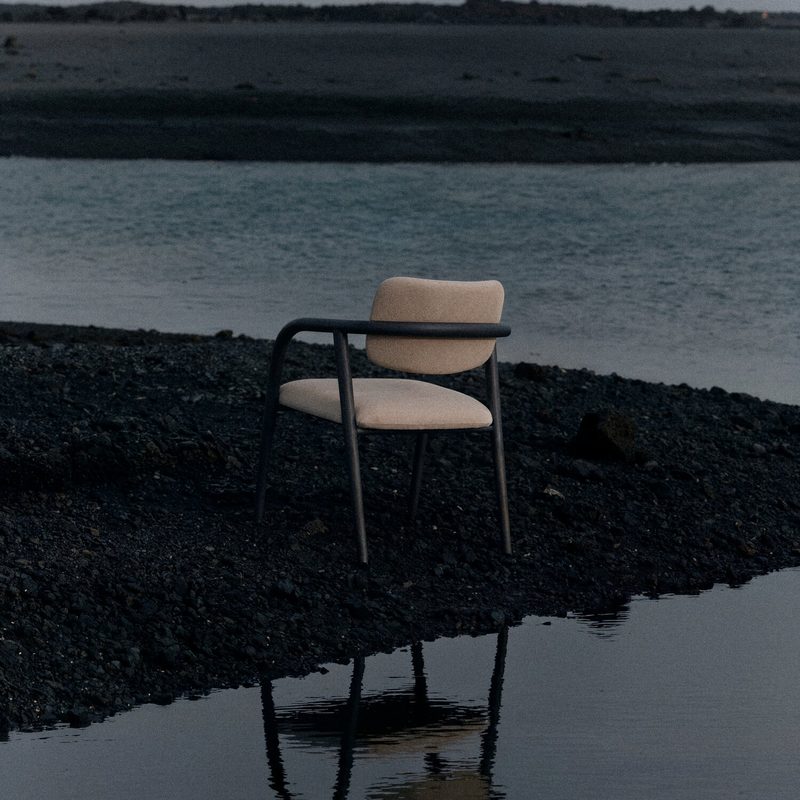
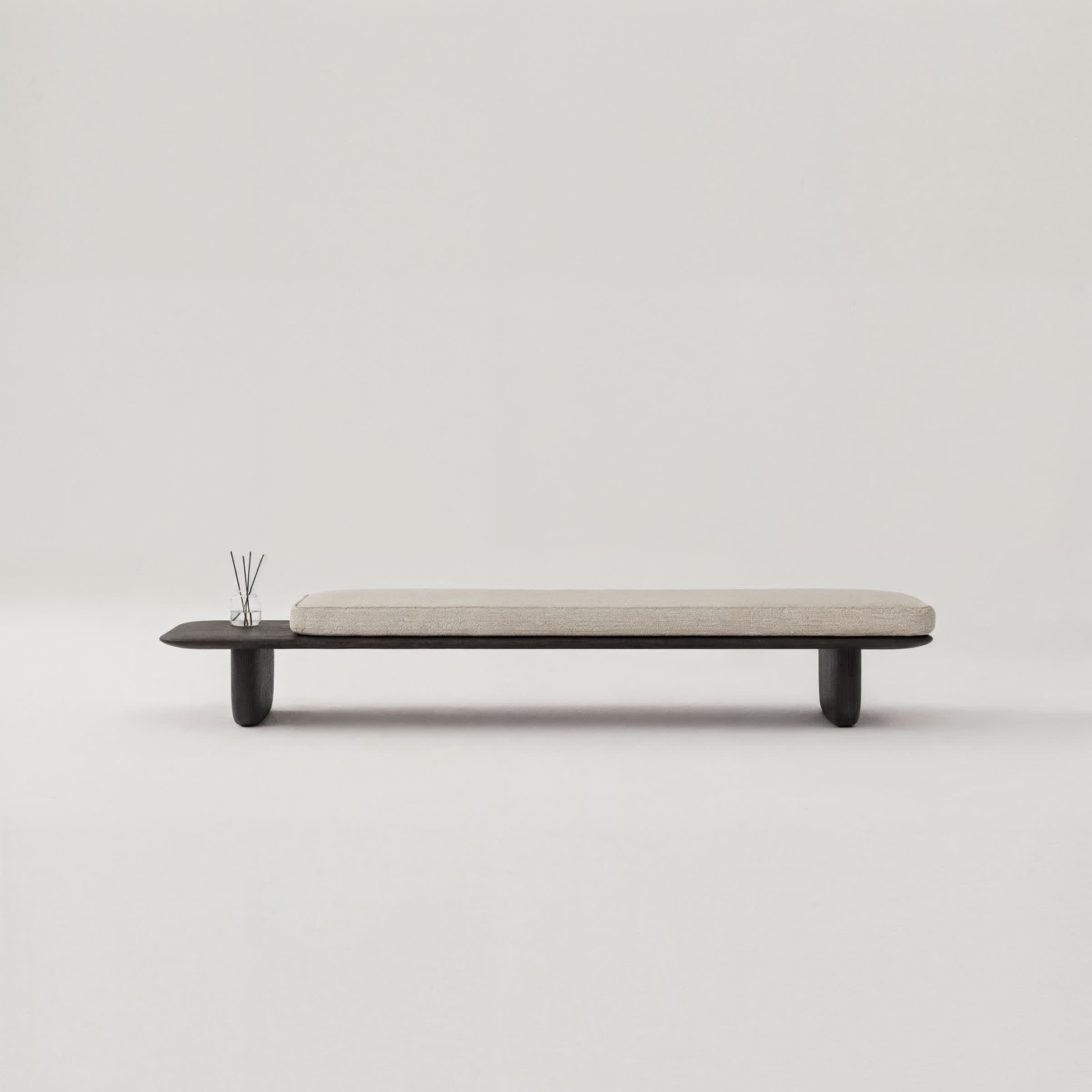
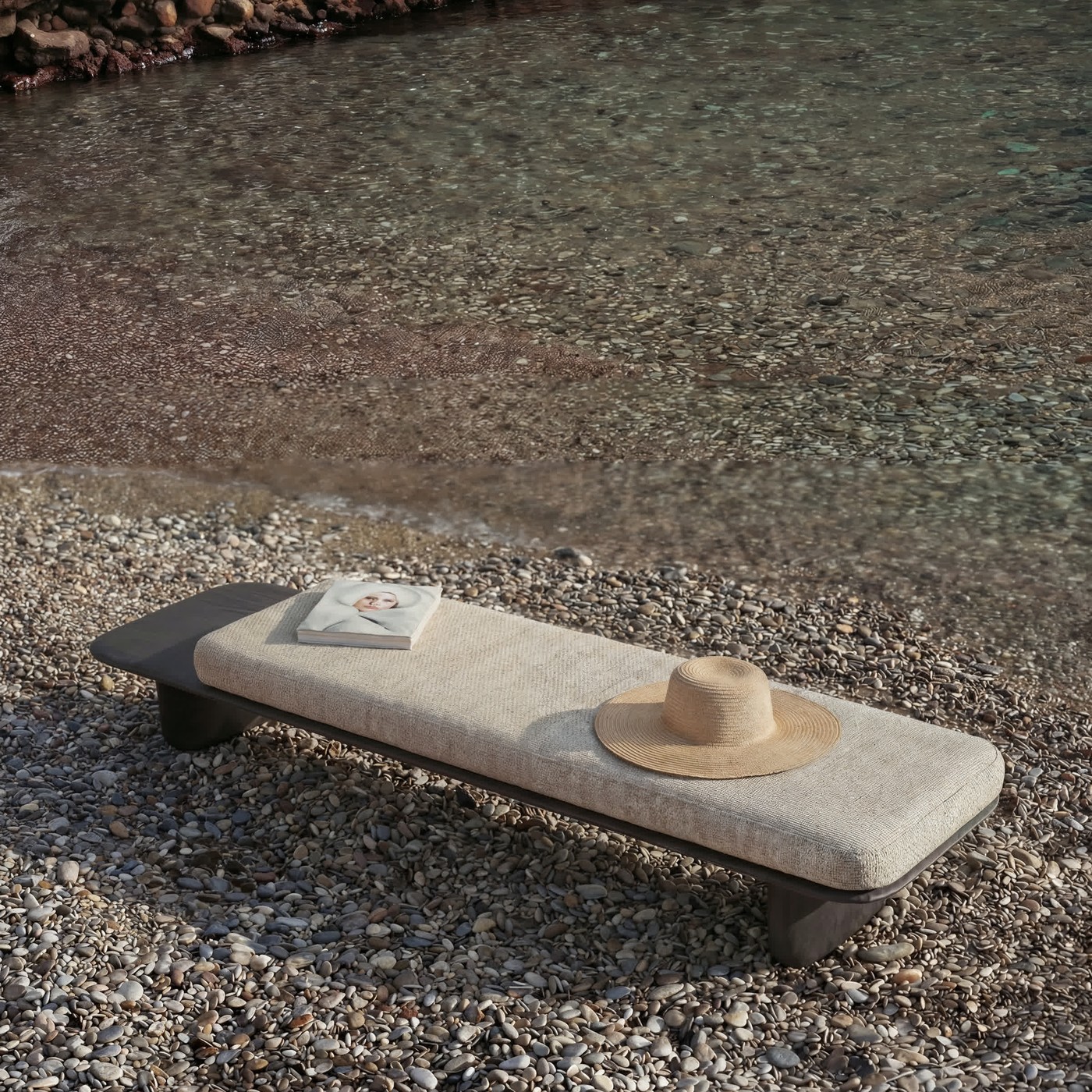
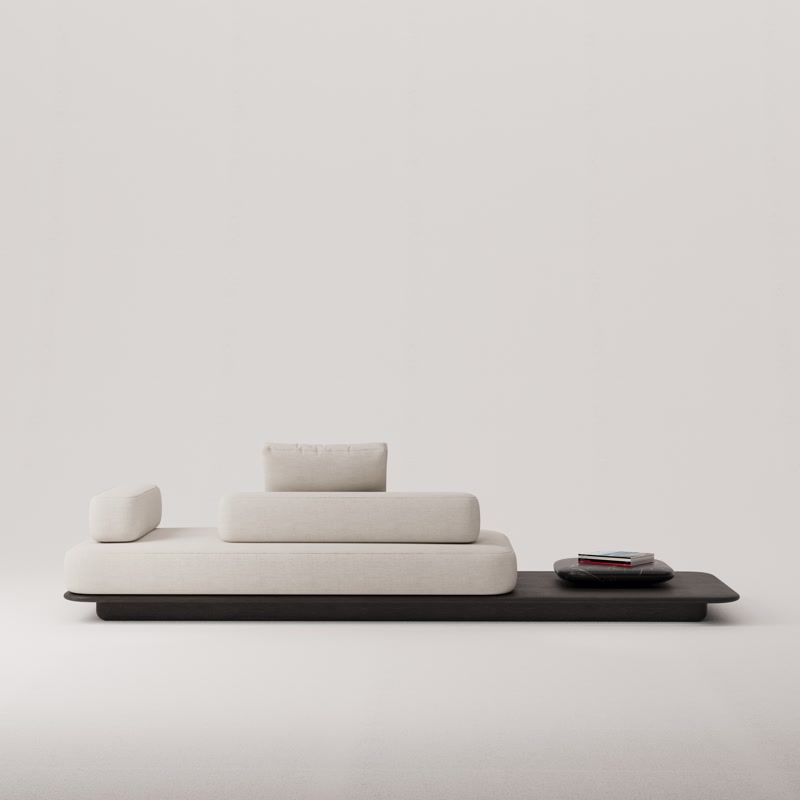
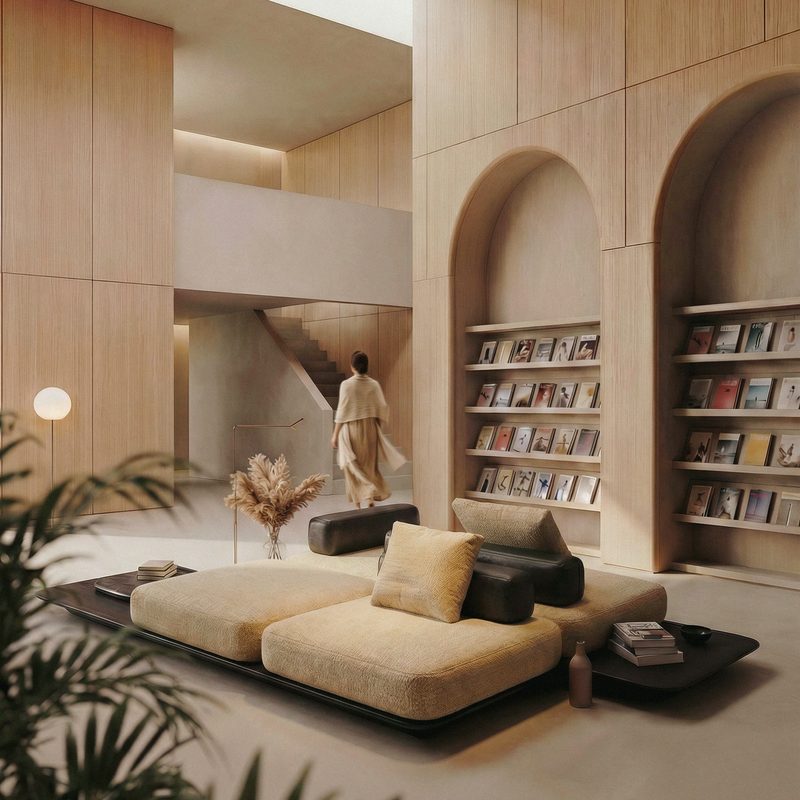
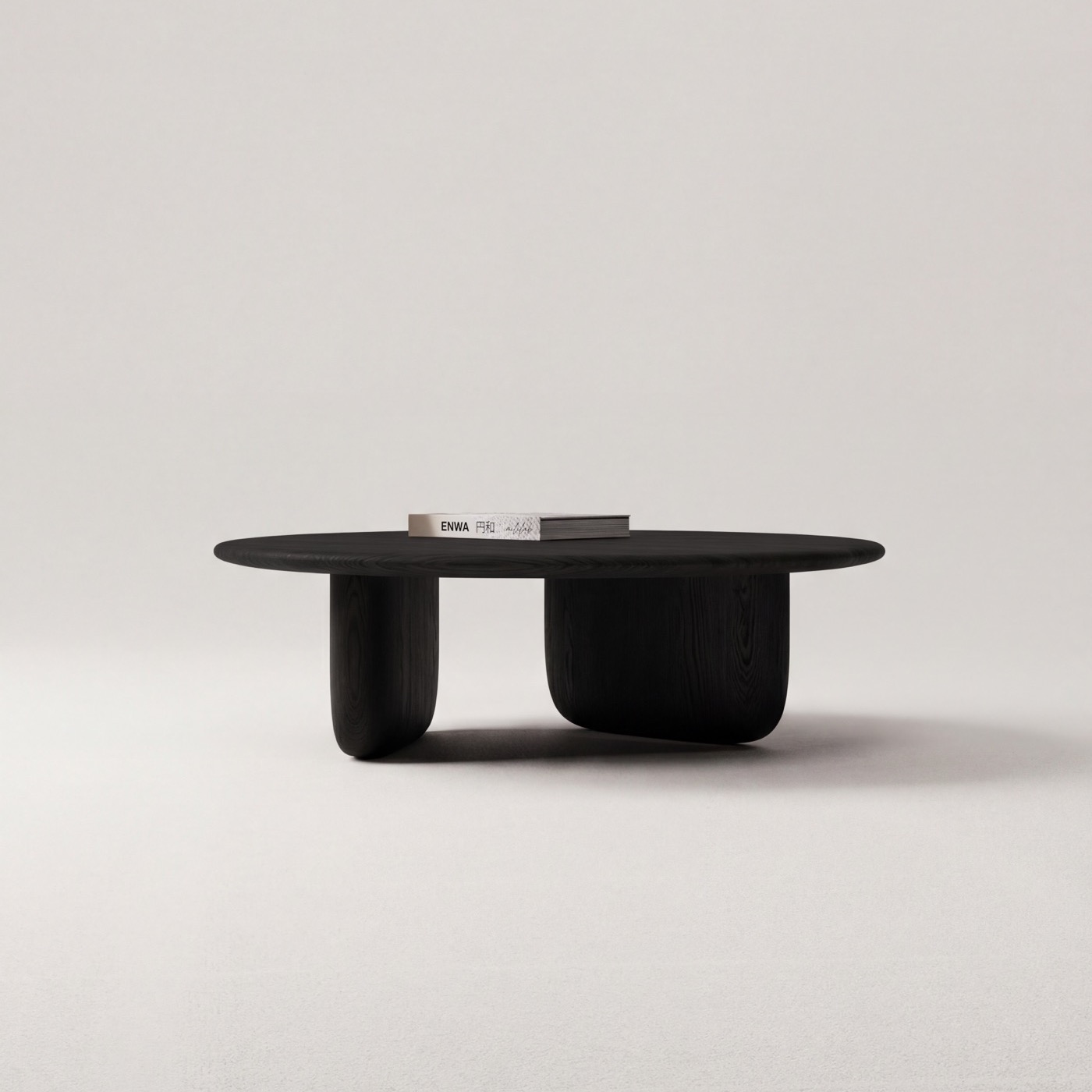
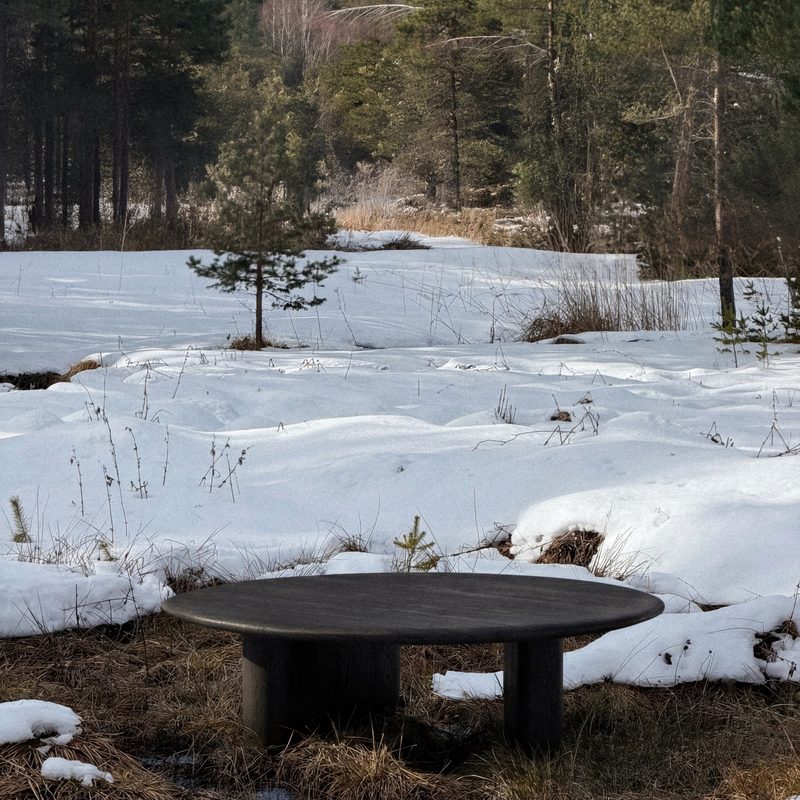
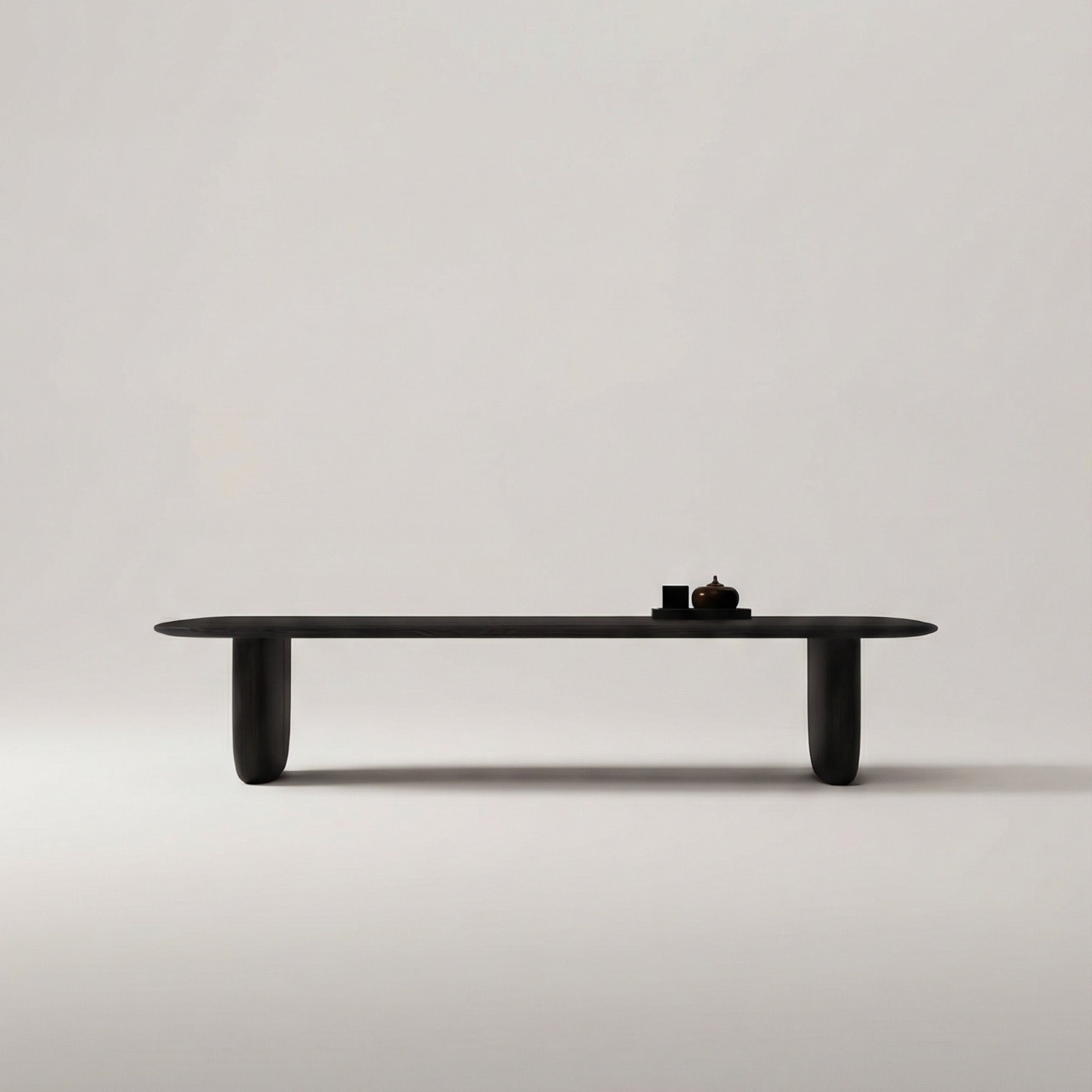
What disappears
is what you feel.
You're reading in the afternoon. Your arm rests on the table edge — and stays there. No sharp ridge pressing into your forearm. No awareness of where wood ends and air begins. Just warmth.
Dinner guests run a finger along the table without thinking. Someone asks what's different about it. You won't be able to explain — because the answer is what's not there.
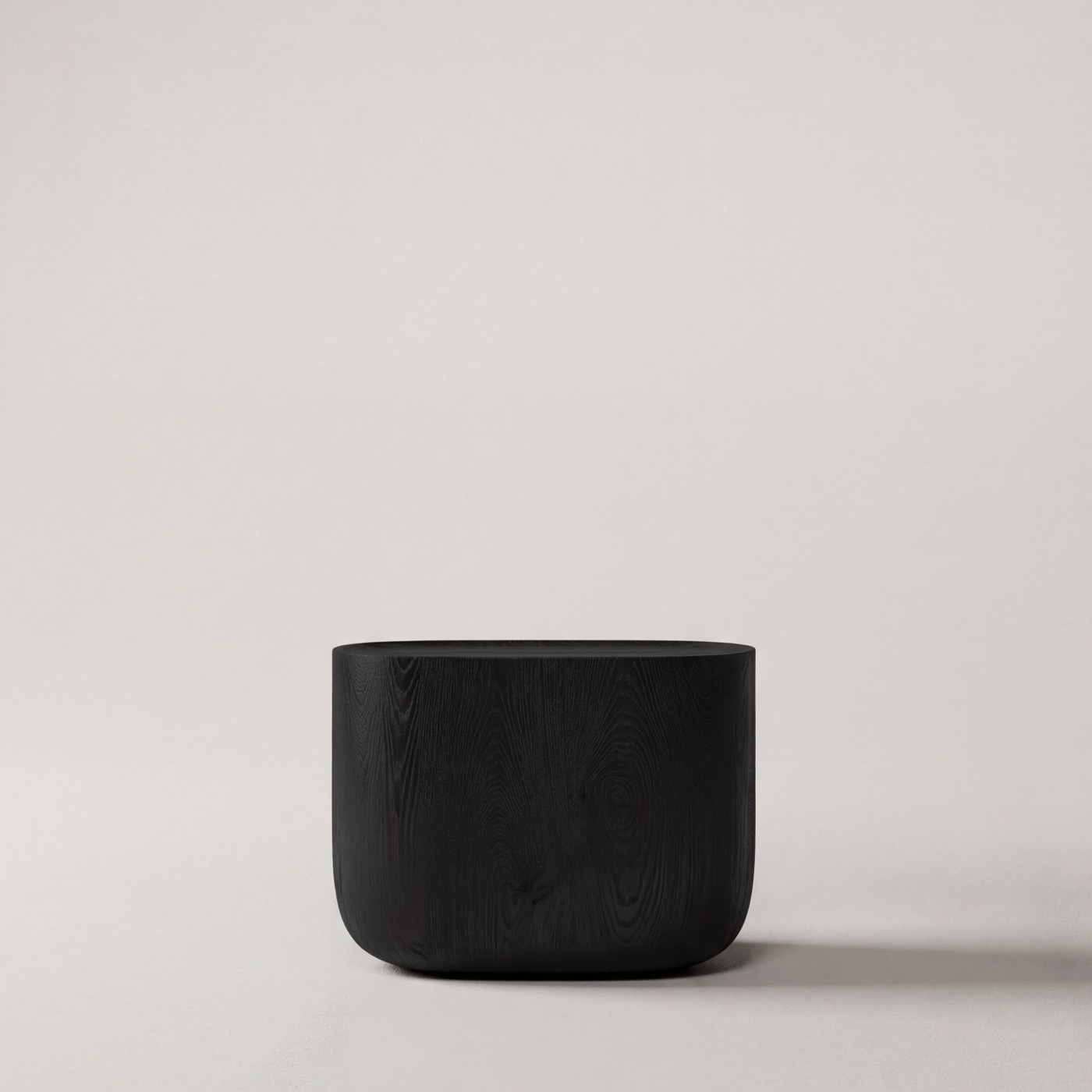
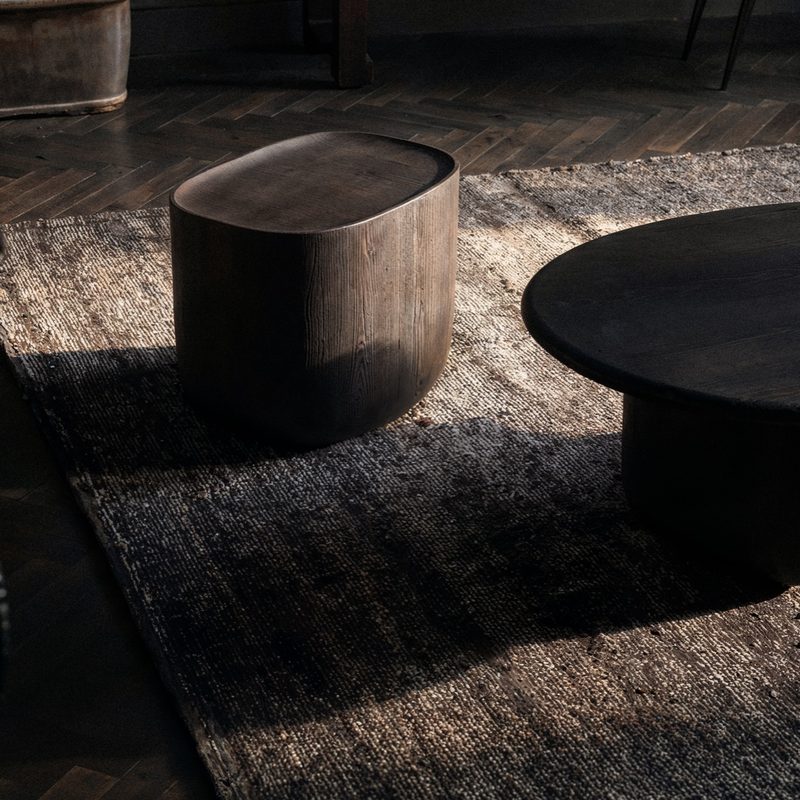
Every corner dissolved. Every seam erased. Every edge subtracted until only the invitation remains. That's what you feel: the absence of everything that shouldn't be there.
Designed by Tokyo architects using the same digital precision as complex buildings. Built from solid North American white oak — kiln-dried twice over 19 days. Finished by hand until every surface stays warm to the touch. No showroom markups. Delivered directly to you.
Solid North American Oak.
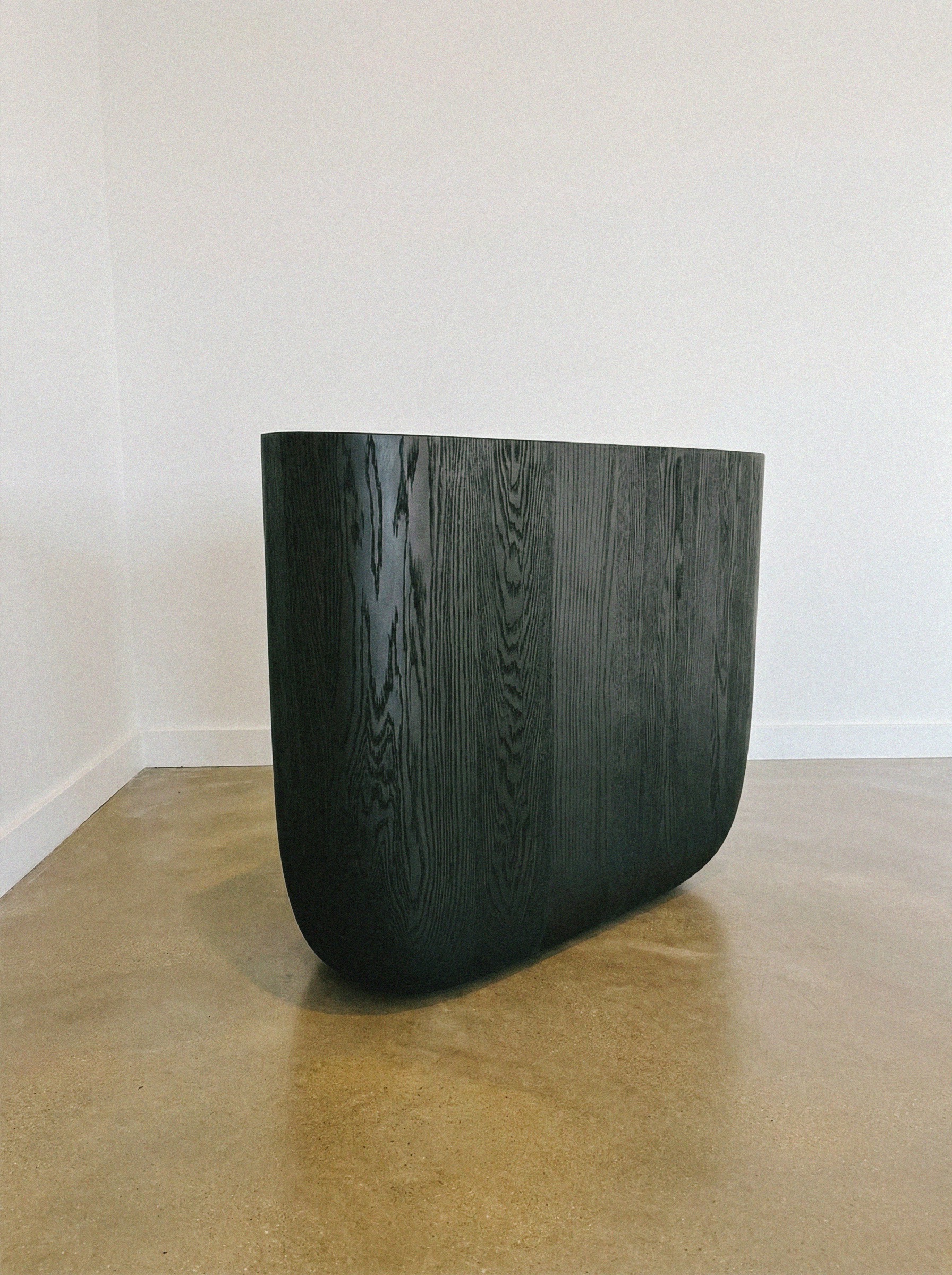
No veneers. No particle board. These curves are too continuous for anything but solid wood — the design chose the material.
Highest grade, chosen for grain consistency. Shaped by five-axis CNC, hand-finished until every edge invites touch. Built to outlast us.
Craft Without Ceremony.
See the price. Choose your finish. Order today.
Delivered in 12–16 weeks.